Bread is sugar by another name
Plenty of women over 60 have cut out dessert and still cannot shift their blood sugar. Ask what they eat, and Dr. Martin says the answer is often the same: they do not eat sugar, they eat bread.
His reply is short. That is sugar. On this episode he runs through the seven things he says your body hates, and starchy foods are on the list: bread, pasta, rice, cereals, bagels and muffins. He does not separate the healthy sounding loaves from the white ones. Whole wheat, 12 grain and ancient grain bread all end up in the same place, he says, because it is all going to be sugar.
He is not saying this as someone who never liked bread. His Aunt Delina baked cracked wheat bread every Tuesday when he was a boy, and he would get there as fast as he could for a thick slice with butter.
Dr. Martin, The Doctor Is In, Episode 1272I love bread, but it don't love me. It don't love me. Guys, it's going to be sugar.
That is the answer to the question in the title. Bread does not sit in your stomach as bread. Once it is digested, the starch in it reaches your bloodstream as sugar, and your body has to deal with it the same way it deals with a spoonful from the sugar bowl.
Where the sugar goes next
Dr. Martin says your body treats sugar in the blood as something to get rid of quickly. It is so destructive to your blood vessels, he says, that you have an organ whose whole job is clearing it.
Dr. Martin, The Doctor Is In, Episode 1272Your pancreas is the same size as this ballpoint pen, and yet it's dedicated, dedicated to take sugar out of your bloodstream.
He uses an extreme example to make the point. Eat 20 donuts, which he tells you not to do, and within an hour or an hour and a half your blood sugar is back down to about a teaspoon in roughly five liters of blood. Your body is smarter than we give it credit for. The tool it uses to do that is insulin.
Why bread ends up stored as fat
Insulin does not make sugar disappear. It moves it. Dr. Martin says plainly where it goes.
Dr. Martin, The Doctor Is In, Episode 1272I'm just telling you, your body don't like it and it has a organ dedicated to getting it out of your bloodstream and to store it and sugar gets stored as fat.
So insulin is not only clearing sugar, it is storing it. The more bread and starch on the plate, the more sugar arrives, the more insulin the pancreas sends, and the more gets put away as fat. For a woman over 60 who eats toast at breakfast, a sandwich at lunch and pasta or potatoes at dinner, that is insulin working three or four times a day, every day.
He adds that the bakery counter is often worse than the bread aisle. He once asked a coffee chain manager how much sugar went into their carrot muffin and was told eight teaspoons. A plain donut, no icing, had six. Both start with flour.
"I love bread, but it don't love me."
Dr. Martin, The Doctor Is In, Episode 1272How years of bread wear out insulin
Here is the part he says medicine has not caught up with. Your body has no choice in the matter. Eat the carbs, and insulin comes.
Dr. Martin, The Doctor Is In, Episode 1272If you eat carbs and especially the crappy ones and sugar, your body has no choice but to release insulin. But what happens? Your cells resist.
He compares insulin to a neighbour who keeps knocking on your door. After enough visits, you stop answering. Your cells do the same thing. They get tired of insulin and stop responding to it, so the pancreas has to send even more to get the same job done.
Dr. Martin, The Doctor Is In, Episode 1272Your cells don't like insulin anymore, and the more and more and more insulin to do the same job for the same food, that's insulin resistance.
That is the long term answer to where bread goes. Over years, it goes into a body that needs more and more insulin to cope with the same breakfast. He links this to circulation problems, because sugar damages blood vessels, and he reminds listeners that his own father was told in 1968 he had what was then called sugar diabetes. For more on the cellular side, read insulin resistance in women over 60, and if your doctor has already used the word, prediabetes at 60.
Why bread leaves you hungry
Bread has a second problem. It does not hold you. Dr. Martin says the advice to snack all day, to keep the fire stoked, only makes sense if you are feeding the fire the wrong thing.
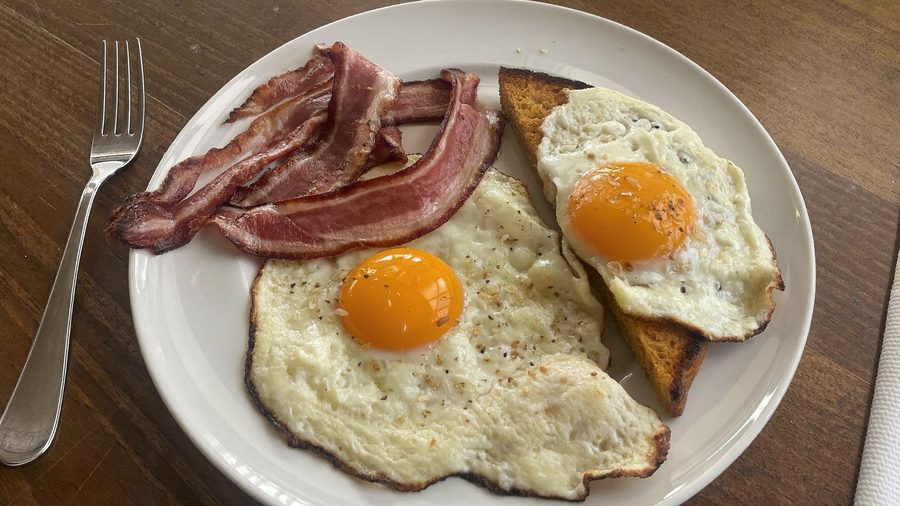
Dr. Martin, The Doctor Is In, Episode 1272A piece of bread is paper, pasta is paper. You need eggs, meat, and cheese to stoke the fire and keep the fire going and logs on the fire are eggs, meat and cheese.
Think of a wood stove. Throw paper on it and it flares and is gone in seconds, so you keep feeding it. No wonder you are hungry all the time, he says. Protein and fat burn slowly, like logs, and you do not need to snack between meals when you eat enough of them. He also points out that God puts protein and fat together in food, not carbs and fat. Carbs and fat together, he says, is a donut.
What to eat instead
Dr. Martin does not pretend you will never eat bread again. He says he is not telling you that you will go the rest of your life without it. He is telling you what it does inside the body, so you can make the choice with your eyes open.
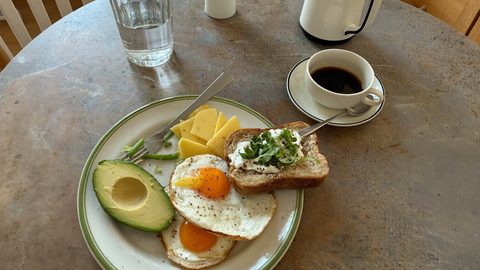
- Build meals on protein. Eggs, meat and cheese are the logs on the fire. He calls protein the king of the castle, together with fat.
- Treat starch as sugar. Bread, pasta, rice, cereal, bagels and muffins go in the same group as sweets, whatever the label says about grains.
- Stop the snacking. If you eat enough protein at meals, he says you do not need to snack.
- Give it 30 days. On his reset, the biggest goal is getting rid of insulin resistance, and in his experience it takes about 30 days for the cells to respond again.
For what a month of this pattern can do to the liver, see what a month of sugar does to your liver. For the whole list of his short reads, go to everything Dr. Martin thinks.
Common questions
Does bread turn into sugar in your body?
Yes. Dr. Martin says bread becomes sugar once you eat it, and your pancreas has to release insulin to take that sugar out of your bloodstream. He puts bread in the same group as sweets and soft drinks.
Is whole wheat or 12 grain bread better?
Not in his view. He says whole wheat, 12 grain and ancient grain bread all end up as sugar. The grain on the label does not change what happens to it in the body.
Does bread turn into fat?
He says the sugar from bread is moved out of the blood by insulin and stored as fat. The more starch you eat, the more insulin you release and the more is stored.
Support for the sugar side of the story
He says your pancreas is dedicated to taking sugar out of your bloodstream, and years of bread and starch wear your cells down. Martin Clinic Blood Sugar Support is a daily formula for women working on their blood sugar, taken alongside cutting the starch.
60-day money-back guarantee. Formulated in clinic.These statements have not been evaluated by the Food and Drug Administration. This product is not intended to diagnose, treat, cure, or prevent any disease. Always consult your healthcare practitioner before starting a new supplement, especially if you are pregnant, nursing, taking medication, or have a medical condition.