What anemia means
Low red blood cells, low hemoglobin, low iron. Women over 60 hear all three on a lab report, often with a shrug. Dr. Martin starts somewhere simpler: what the blood is for. Every time you breathe, your red blood cells pass through your lungs and pick up oxygen. In the middle of each one sits hemoglobin, a protein he compares to Velcro.
Dr. Martin, The Doctor Is In, Episode 818Oxygen attaches to the middle of your red blood cell and red blood cells carry your oxygen from your brain to your toes.
You cannot live without that delivery. If a big wound bleeds faster than your body can clot it, he says, you run out of blood, and what that really means is you run out of oxygen. Anemia is the slow, quiet version of the same shortage. Fewer red blood cells, or red blood cells without enough hemoglobin, means less oxygen reaching the brain, the heart and the muscles. That is why the most common complaint is feeling tired and pale.
Why the iron has to be heme iron
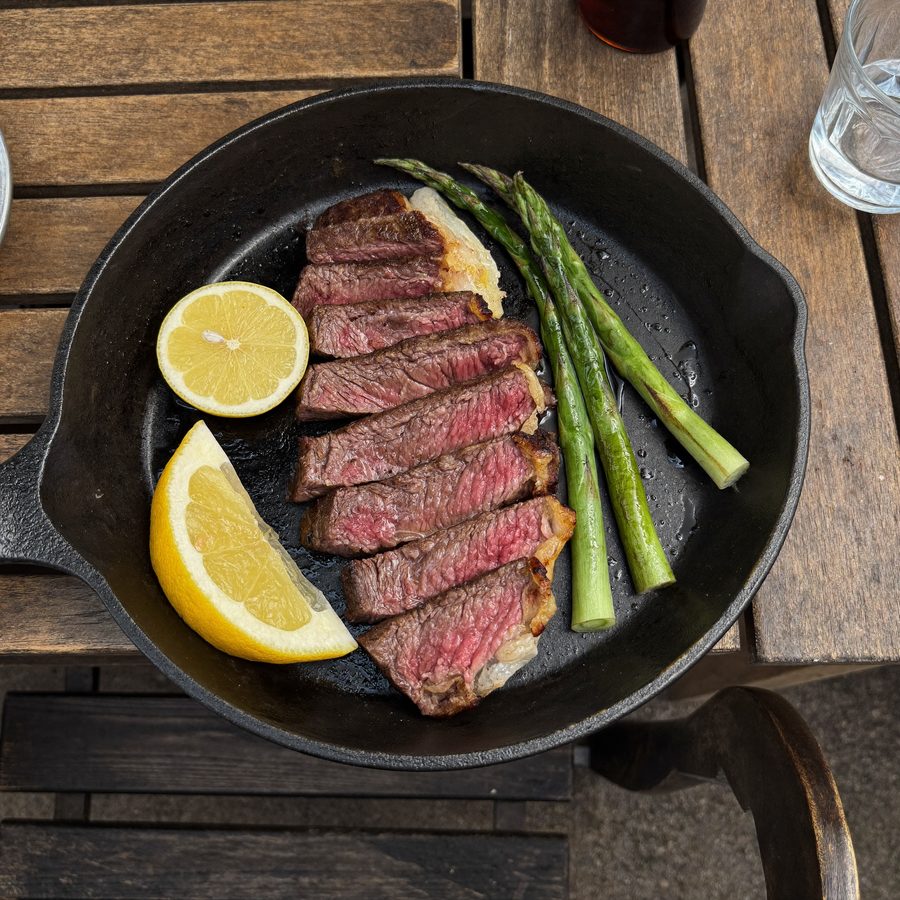
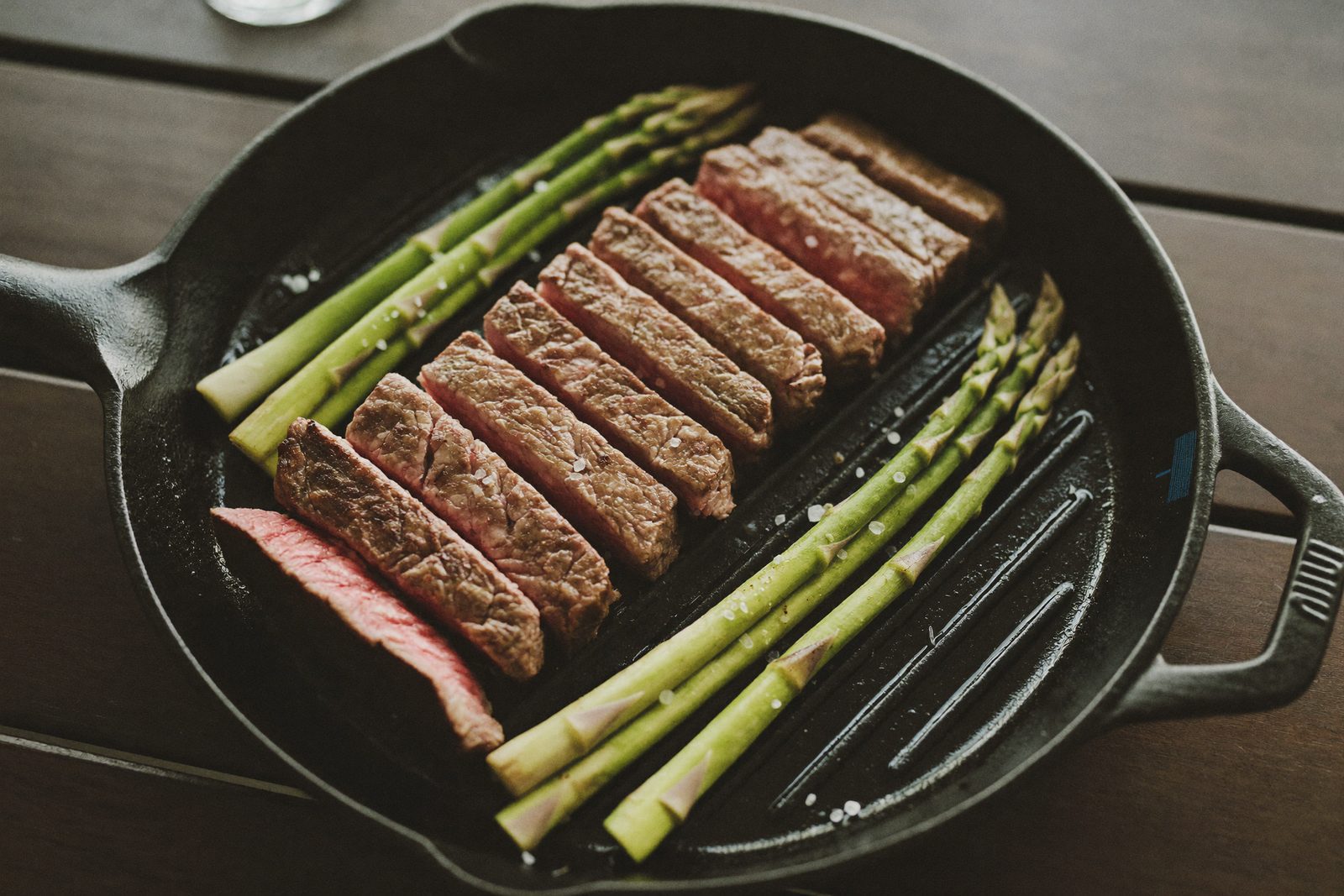
On this episode he calls iron perhaps the most important mineral of all. But not any iron. He spells the word out, H-E-M-E, and points out that it comes from the same root as hemoglobin. Heme iron is the form your body uses to build red blood cells, and he says it is found in the animal kingdom: red meat, steak, what he calls vitamin S.
His advice to a woman he could see was anemic was direct.
Dr. Martin, The Doctor Is In, Episode 818You're not carrying enough oxygen. You need heme, heme, H-E-M-E, iron. Popeye didn't get strong eating spinach. I'm sorry. He didn't. He lied.
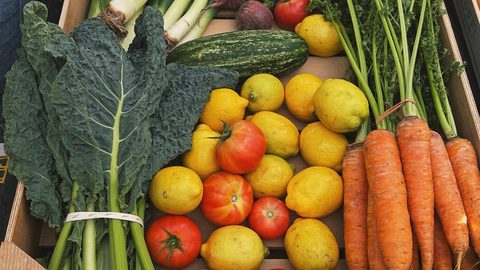
He is not telling anyone to stop eating vegetables. His point is that plants carry compounds that bind minerals, he names oxalates, phytic acid and fiber, so the iron in a salad is not absorbed the way the iron in a steak is. If your plate is mostly chicken breast and salad, he would say you are not getting the iron your red blood cells need. He also says, in practice, he saw iron deficiency anemia so often that he called it an epidemic.
"People are over fed and under nourished."
Dr. Martin, The Doctor Is In, Episode 818Anemic and nobody told you
This is the part of the episode that lands hardest for women who have been told everything is fine. He describes patients whose color told him the story before the blood test did. He would tell them they looked like Casper the ghost, take their blood, and confirm it. They would ask why their doctor never mentioned it.
Dr. Martin, The Doctor Is In, Episode 818A lot of people are walking around and they're anemic. They don't even know it. Because their blood work, yeah, it's low, but it's not low enough for physicians because they're married to labs.
He is careful not to throw the lab report away.
Dr. Martin, The Doctor Is In, Episode 818I'm not saying labs are insignificant. I'm not. They're part of the diagnosis, for sure, but they're not everything.
So the practical step is to read your own numbers, not just the word normal. A complete blood count shows hemoglobin and red blood cells, and a ferritin test shows stored iron. Each lab prints its own reference range; those ranges are the lab's, not his. If you sit near the bottom of the range and you feel drained, that is worth raising with your practitioner, along with how you eat.
What about too much iron?
Some women over 60 avoid red meat because they have heard of hemochromatosis, which simply means too much iron. He agrees it happens, and says it is far more common now than it used to be. His explanation is not steak. It is the liver.
Dr. Martin, The Doctor Is In, Episode 818And when you fill up your liver, in the Costco parking lot, and it gets full, it gets full of fat. Guess what? Now you're going to accumulate iron.
In his view, a liver loaded with fat from too many carbohydrates cannot handle iron properly, and that is the main reason iron builds up. He allows there can be other reasons. If you have been told your iron is high, that is a conversation for your practitioner, and the article on whether steak gives you too much iron covers his view in more detail.
Where B12 fits
Right after heme iron, he names the vitamin he says his listeners already expect him to raise: B12. He puts the two side by side as reasons red meat matters, and he says B12 is not found in the plant kingdom.
Dr. Martin, The Doctor Is In, Episode 818If you are a vegetarian or you are a vegan, please, for heaven sakes, you need to supplement with B12. The best B12 is sublingual on a daily basis and that's been proven.
He also says a B12 shot is fine, but that daily supplementing is best. And he does not trust the word normal on a B12 result either.
Dr. Martin, The Doctor Is In, Episode 818That B12 test, first of all is 100 years old, 100, and the normal is what? Two something? You should be at 800 to 1200 for B12.
That 800 to 1200 figure is his target, not a lab reference range. For the B12 side on its own, read B12 deficiency symptoms in women over 60.
What this means after 60
His examples on this episode include younger women with heavy periods, where iron loss is obvious. After 60 the periods are gone, but the other half of his argument is not. Many women eat less as they age, and less red meat in particular, often because they were told for decades to be careful with it. That is the plate he worries about: lots of carbohydrates, not enough heme iron, not enough B12.
His approach, put plainly:
- Look at your plate. He wants red meat on it regularly, not chicken and salad every night.
- Look at your numbers. Low but not flagged still counts. Ask for the actual values.
- Look after your liver. He ties too much iron to a fatty liver from carbohydrates.
- Do not forget B12. If you eat little or no red meat, he says to supplement.
If tiredness is the reason you are reading this, see also tired all the time at 60 and chronic fatigue in women over 60.
Common questions
What causes anemia in women over 60?
Dr. Martin says the most common form he saw was iron deficiency anemia, from not getting enough heme iron, the iron found in red meat. Anemia has other causes too, so a woman over 60 with low results should talk with her practitioner about the reason.
Can you be anemic with normal bloodwork?
He says many people are anemic without knowing it because their results are low but not low enough to be flagged. He also says labs are part of the diagnosis, just not all of it. Ask for your actual hemoglobin and ferritin values.
Is spinach a good source of iron for anemia?
Not in his view. He says your body needs heme iron to make red blood cells, that it comes from the animal kingdom, and that plants carry compounds that bind minerals and reduce absorption.
Does eating red meat cause too much iron?
He says hemochromatosis, too much iron, is mainly caused by a fatty liver from too many carbohydrates, not by steak. If you have been told your iron is high, follow your practitioner's advice.
If red meat is not on your plate every day
He says B12 is found in red meat and nowhere in the plant kingdom, and that if you do not eat it, you need to supplement. Martin Clinic Vitamin B12 is the B12 from the clinic shop.
60-day money-back guarantee. Formulated in clinic.These statements have not been evaluated by the Food and Drug Administration. This product is not intended to diagnose, treat, cure, or prevent any disease. Always consult your healthcare practitioner before starting a new supplement, especially if you are pregnant, nursing, taking medication, or have a medical condition.