Are beets good for you after 60?
Short answer, yes. And this is one of the rare times Dr. Martin agrees with the advertisement.
Dr. Martin on beets:
Dr. Martin, The Doctor Is In, Episode 1588So beets are good for you.
He is not being polite about it either. He says it, then says it again, then says it a third time. He also makes no secret of hating the taste, which is the part that makes people trust the answer.
Dr. Martin, The Doctor Is In, Episode 1588Because they do elevate your nitric oxide.
So the question is not whether beets work. It is whether beets are the way you want to do it.
What nitric oxide actually does
Nitric oxide is a molecule your own body makes, and until the 1980s nobody knew that. He still finds that remarkable, and he says so on the episode.
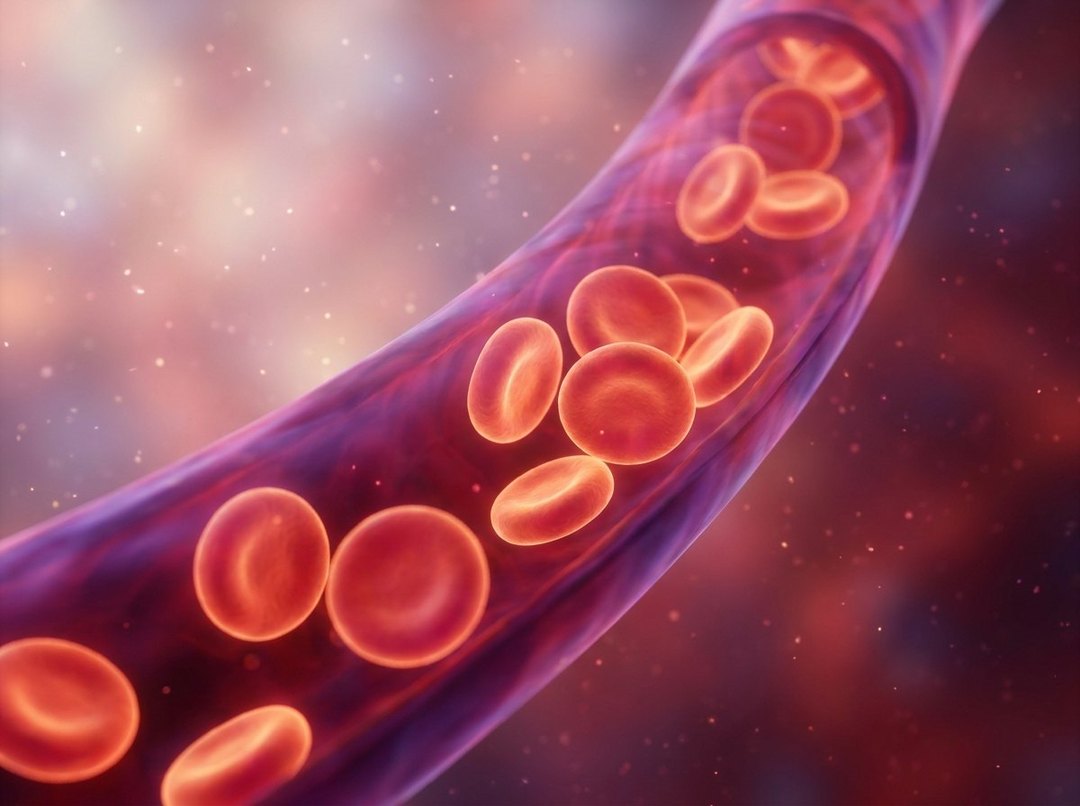
What it does is simple enough to picture. It relaxes your blood vessels. It keeps them open, and stops them squeezing too tight. Everything downstream of that, the blood getting where it is meant to go, the pressure inside the pipe, the work your heart has to do, follows from whether the pipe is open or narrowed.
He adds one figure from the research. In people with the lowest measured nitric oxide, he says the risk of dying from a heart attack goes up sharply. That is the reason he pays attention to it rather than treating it as a wellness word.
Nothing here is a reason to start or stop anything a doctor has prescribed. Talk to your doctor first.
The layer inside the blood vessel
Nitric oxide is made inside the lining of the blood vessel, in the little cells of that inner layer. It is not something you swallow directly. You give the body what it needs and the layer makes it.
He spends part of this episode on what damages that layer, and his answer will be familiar if you have heard him before. He held up plaque from inside a blood vessel and said that when they analyse it, about 75 per cent of the fat in there is bad oil. Seed oils, the ones he calls the hateful eight. He does not blame cholesterol for it, and he says so bluntly: cholesterol is not the enemy, it is delivering. The long version of that argument is in the whole cholesterol thing is a hoax.
Why it gets worse after 60
Dr. Martin on the age effect:
Dr. Martin, The Doctor Is In, Episode 1588As we get older, as we age, nitric oxide goes down.
That is the sentence the whole episode rests on, and it is why this is a different question at 65 than it is at 35. He calls the slow damage to those vessels premature aging of the blood vessels, with bad oils doing a lot of the work.
Dr. Martin on why seniors in particular run low:
Dr. Martin, The Doctor Is In, Episode 1588Most seniors that have very little nitric oxide, first of all, they're not eating enough eggs, meat and cheese to get the amino acids they need.
He stacks three things on top of each other there. Age itself. Not enough of the food that supplies the raw material. And then absorption, because he says most people that age do not have enough stomach acidity to get what is in the food out of it. Medication counts too, and he is blunt about how many prescriptions a woman over 60 can end up carrying.
Beets, beet powder, or something else
Dr. Martin on his alternative:
Dr. Martin, The Doctor Is In, Episode 1588I'll tell you what to do to elevate your nitric oxide besides beets, because I don't like beets, but they're good.
His pick is pine bark extract, and he does not hide how much he likes it. His reason is that it does the same job from the same direction: it opens the blood vessels and helps keep them open, and it works against the plaque forming in the first place.
If you like beets, eat beets. Nothing on this page says otherwise, and he never does. The reason women over 60 ask the question at all is usually the powders, which taste like beets and cost more than beets. The choice is about what you will actually take every day.
The foods he names
Dr. Martin on the food side:
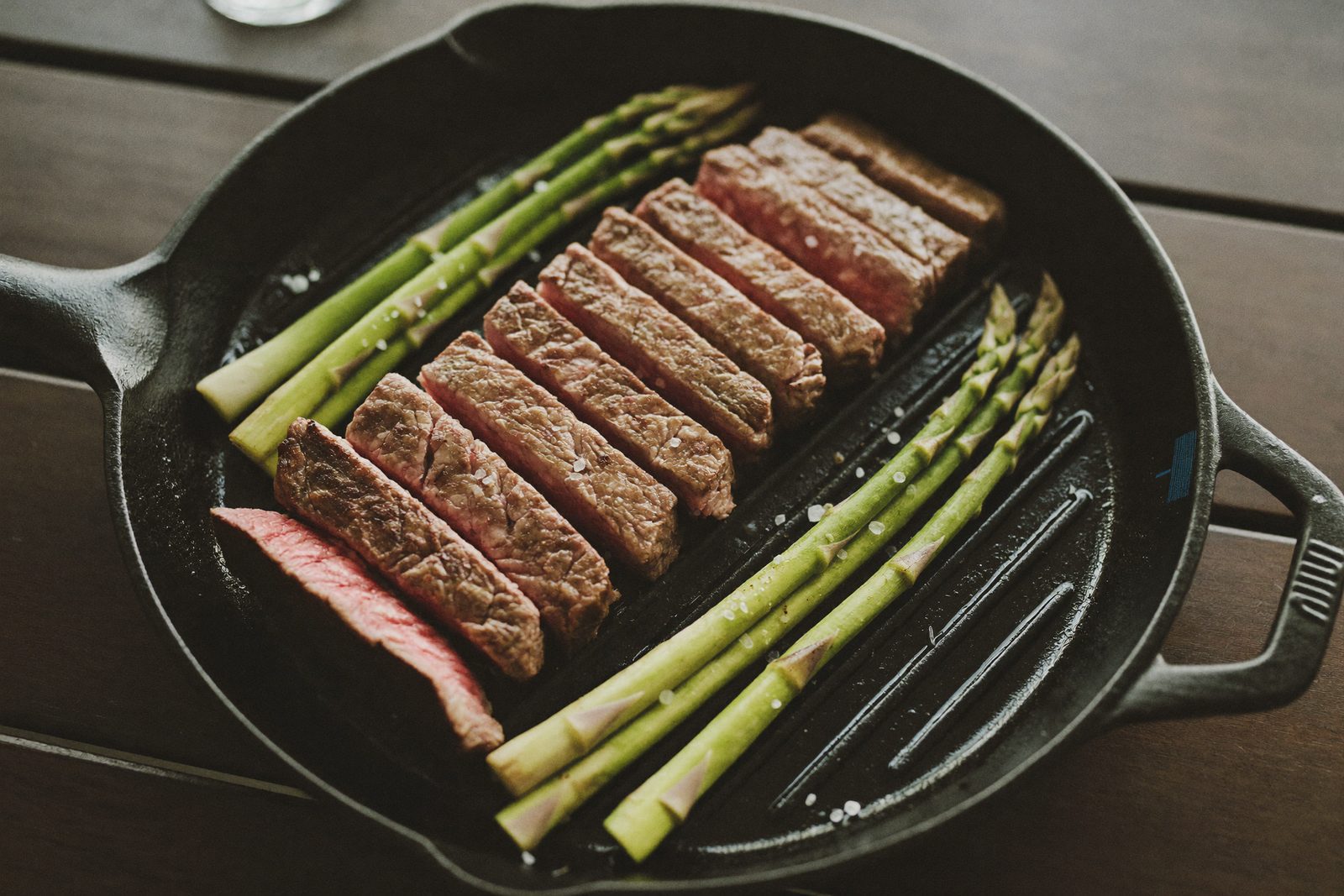
Dr. Martin, The Doctor Is In, Episode 1588Well, one of the things that elevates nitric oxide are eggs, meat and cheese.
The reason is the amino acids. He names L-arginine and L-citrulline, and says you can take them as a supplement but he would rather you ate them. Eggs have them. Bone broth has arginine. This is the same argument he makes about protein everywhere else, and it lands in an unexpected place: the foods people are told will clog the pipe are the ones he says help keep it open.
If the chicken and salad habit is the one you have settled into after 60, he has a whole episode on that. It is in is chicken healthier than beef.
Common questions
Are beets good for seniors?
Yes. He says beets are good for you because they raise nitric oxide, and he repeats it several times even while saying he does not like the taste.
Do beets raise nitric oxide?
Yes. He confirms it directly, and says that is exactly why the advertisements push them.
Why does nitric oxide drop with age?
He says nitric oxide goes down as we age. On top of that he says most seniors are not eating enough eggs, meat and cheese for the amino acids, and are not absorbing well.
What raises nitric oxide besides beets?
Pine bark extract is his pick, and on the food side the amino acids in eggs, meat and cheese, particularly L-arginine and L-citrulline.
Why is nitric oxide important?
He says it relaxes blood vessels and keeps them open, and that people with the lowest measured levels have a much higher risk of dying from a heart attack.
Read next: What Nitric Oxide Does For A Woman Over 60 and Is Nitric Oxide Safe After 60?.
The route he takes instead
Navitol Ultra Strength is built around the pine bark extract he talks about on this episode, in one scoop rather than a jar of beet powder.
60-day money-back guarantee. Often taken with Ubiquinol. Check with your own doctor first if you are on blood pressure or blood thinning medication.These statements have not been evaluated by the Food and Drug Administration. This product is not intended to diagnose, treat, cure, or prevent any disease. Always consult your healthcare practitioner before starting a new supplement, especially if you are pregnant, nursing, taking medication, or have a medical condition.