Does insulin resistance cause high blood pressure?
Dr. Martin says yes, and he goes further than most. When he explains high blood pressure, he starts with insulin, not salt and not cholesterol.
Dr. Martin, The Doctor Is In, Episode 1816Now, 99% of all problems with high blood pressure, it's an insulin problem.
He points to diabetics to make his case. High blood pressure and diabetes, he says, travel along the same road, and both start with insulin resistance. That is when your cells have seen so much insulin, from so many carbs, that they stop answering the door. Insulin keeps knocking anyway, because it cannot leave sugar in your blood. For the full picture of how insulin resistance starts, see insulin resistance in women over 60.
Dr. Martin, The Doctor Is In, Episode 1155Metabolic syndrome is a food problem. It's insulin my friend and insulin is not your friend.
How does insulin raise blood pressure?
Through your kidneys, first of all. Dr. Martin calls the kidneys Niagara Falls, because so much blood runs through them. One of insulin's jobs there is to hold on to salt.
Dr. Martin, The Doctor Is In, Episode 1209Insulin, one of its jobs is salt retention, okay? It retains salt. What does that do? It increases your blood pressure.
Salt pulls water with it. More salt and water held in means more volume in the same hoses, and the pressure goes up. On the blood pressure episode he walked through it step by step, adding dehydration on top.
Dr. Martin, The Doctor Is In, Episode 1155So you have dehydration, then you have high insulin and your kidneys hold on to salt and water. You get salt and water retention. Guess what happens? Your blood pressure goes up,
He also explains why the kidneys get hit so hard. They are made of blood vessels, and sugar left in the bloodstream damages blood vessels.
Dr. Martin, The Doctor Is In, Episode 1614So when insulin is high, the body retains salt, blood pressure goes up. And that's why if you do nothing else, cut out sugar as much as possible.
Is it the salt or the sugar?
Sugar, every time, in his view. Dr. Martin has spent decades telling listeners that cutting salt was the wrong target. His line is that people blame salt for what sugar is doing.
Dr. Martin, The Doctor Is In, Episode 953It ain't salt babe. It's sugar. It's not salt intake. It's salt retention. And if you insist on eating sugar, your body will retain sodium.
He uses a simple comparison to show the difference.
Dr. Martin, The Doctor Is In, Episode 1209If you eat too much salt, you know what you're going to do? You're going to pee it out, okay? You're going to pee it out. If you eat too much sugar, you're not peeing it out.
The one exception he allows is dehydration. Salt can push your blood pressure up when you are not drinking enough water, because your blood thickens. That is why water sits right beside cutting sugar in everything he says about blood pressure.
Dr. Martin, The Doctor Is In, Episode 1741So don't blame salt for what sugar is doing. Your body's retaining that sodium because you're consuming sugar.
What else does high insulin do to your blood vessels?
The kidneys are only the first part of it. On one episode Dr. Martin counted out the ways insulin resistance pushes pressure up.
Stiffer arteries. Retained salt makes the vessel walls stiff, and stiff hoses carry higher pressure.
Dr. Martin, The Doctor Is In, Episode 1816Insulin, your body retains sodium, salt. Your arteries get stiffer. BP goes up.
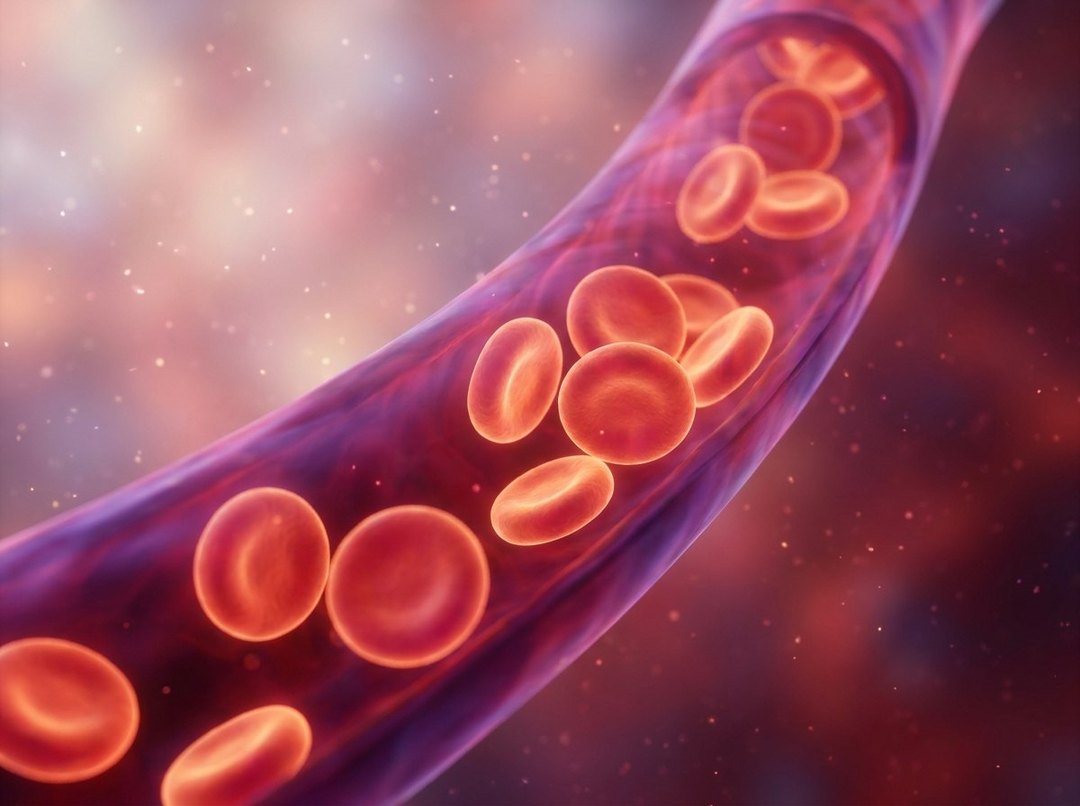
Glycation. Sugar sticks to things and ages them. Your A1C test measures sugar stuck to red blood cells, and he says the same thing happens to the lining of your arteries.
Dr. Martin, The Doctor Is In, Episode 1816So sugar through the process of glycation, nevermind what it does to the red blood cell. It's what it's doing at the endothelial. That's the Teflon layer of your blood vessels.
Inflammation.
Dr. Martin, The Doctor Is In, Episode 1816Insulin resistance creates inflammation. Inflammation. And inflammation elevates. Remember, chronic inflammation elevates BP, blood pressure.
Narrow vessels and a working heart. On another episode he described a heart that enlarges, blood vessels that constrict and do not relax, and then the kidneys on top.
Dr. Martin, The Doctor Is In, Episode 1161The kidneys are affected by insulin resistance. The kidneys hold onto water and they hold on to salt. They hold onto it. And now you have a salt retention problem in the kidneys. What does that do? It's a double whammo on blood pressure.
He adds that stress pours gasoline on the fire of insulin resistance, so poor sleep and high cortisol make all of this worse.
Can insulin raise blood pressure without diabetes?
Yes. This is the part Dr. Martin most wants people to hear. Diabetes is the last thing to happen, not the first. Your body works hard to keep blood sugar in a tight range, so your fasting sugar can look fine for years while insulin runs high. Meanwhile the kidneys are already holding on to salt.
So if your blood pressure is creeping up and your doctor says your sugar is normal, he would still look at insulin. He lists high blood pressure among the warning signs of insulin resistance, next to skin tags, and as part of metabolic syndrome with belly fat and high triglycerides. If you have skin tags too, read are skin tags a sign of insulin resistance. For which blood pressure number he watches most closely, see which blood pressure number matters more.
How does Dr. Martin say to get insulin down?
He closed his blood pressure episode with the short version.
Dr. Martin, The Doctor Is In, Episode 1155Water. Healthy fat. Get the insulin down. Cut out those carbs, crappy carbohydrates.
Drink water. Two liters a day, 64 ounces, with a pinch of good salt in it. He says most people he saw in practice were dehydrated without knowing it.
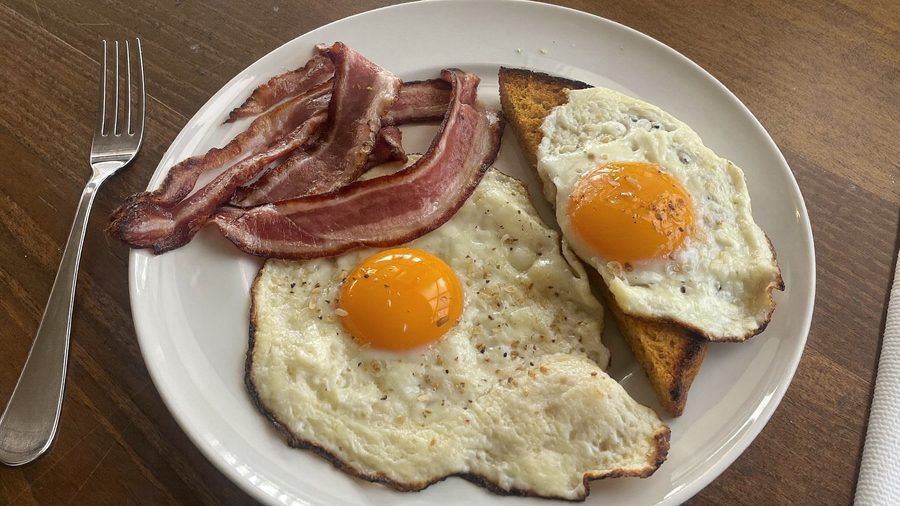
Eat eggs, meat and cheese. No cereal in the morning and no margarine. He told patients they could have bacon and eggs every day if they wanted.
Cut the crappy carbs and sugar. Whole wheat toast, he says, is sugar in five seconds.
Drink coffee. He says coffee raises nitric oxide and opens your blood vessels.
Think magnesium. He says magnesium relaxes blood vessels, and that sugar throws it out of your body.
Dr. Martin, The Doctor Is In, Episode 1155And again, one of the biggest problems is when you eat sugar, you are throwing magnesium out of your body.
Give it 30 days. That is how long he says insulin resistance takes on average to turn around, and why his Reset runs 30 days. He is clear the point of the Reset is not weight.
Dr. Martin, The Doctor Is In, Episode 1155Weight loss is wonderful, but that's not the key. The key is lowering insulin.
For blood flow he also names Navitol, the pine bark formula. He says it raises nitric oxide, which opens your blood vessels, while magnesium relaxes them.
Dr. Martin, The Doctor Is In, Episode 1155Magnesium relaxes them. Nitric oxide opens them.
What about blood pressure medication?
Dr. Martin does not tell anyone to stop. He calls blood pressure pills a bandaid, because they lower the number without touching the insulin behind it. But he is careful about what that means for you.
Dr. Martin, The Doctor Is In, Episode 1155Look, if you're on meds right now, don't come off of them, but turn your life around. Start drinking water.
Change the food and keep working with your own doctor on the medication. High blood pressure is serious, and he takes it seriously.
Common questions
Does insulin resistance cause high blood pressure?
Yes, in Dr. Martin's view. He says high insulin makes your kidneys retain salt and water, stiffens arteries and drives inflammation, and all three raise blood pressure.
How does insulin affect blood pressure?
He says one of insulin's jobs at the kidney level is salt retention. Retained salt holds water, and your blood pressure goes up.
Is high blood pressure caused by salt or sugar?
Sugar, he says. It is not salt intake but salt retention, and sugar is what makes your body retain sodium. Salt only matters when you are dehydrated.
Can lowering insulin lower blood pressure?
He says getting insulin down with water, healthy fat and fewer carbs is his first step for blood pressure. Stay on any medication and work with your doctor.
Support your blood vessels
Navitol Ultra Strength is the pine bark formula Dr. Martin names for nitric oxide, which he says opens your blood vessels.
60-day money-back guarantee.