
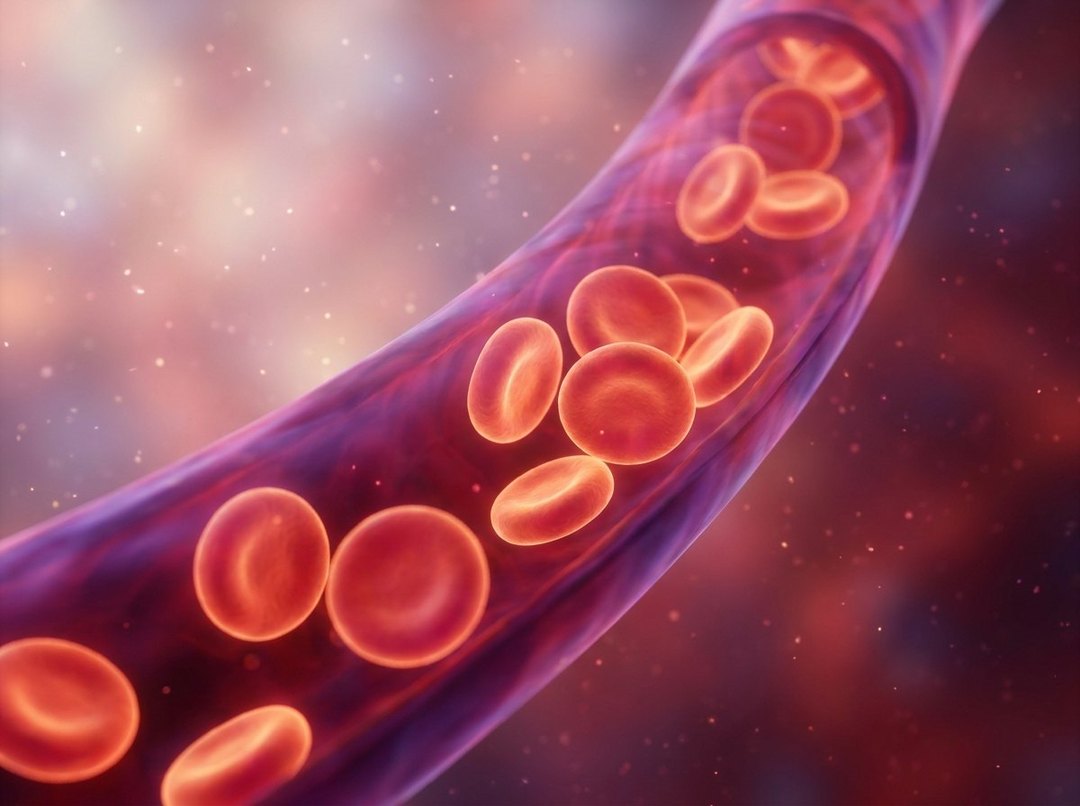
What the two blood pressure numbers actually mean
Your reading comes as two numbers. The top one, systolic, is the pressure inside your arteries while your heart is beating. The bottom one, diastolic, is the pressure that stays in there between beats, when the heart is resting. Normal is 120 over 80. From 120 to 139 on the top number you get called prehypertensive, and 140 over 90 is where the word hypertension gets used.
Dr. Martin reads that pair differently from most. He spends episode 706 on the bottom number, and then he spends the rest of it on what is pushing both of them up.
He is not casual about it either. He opens the episode with a study on what years of high blood pressure do to the brain over time, and he is blunt about the picture: an Alzheimer's brain at autopsy shriveled up like a prune, when what you want is a brain full of fat.
Why Dr. Martin watches the bottom number
Here is the rule he gives, and note what he says right before it. He tells you not to dismiss the top number, twice, and then gives you his own reading.
Dr. Martin on which number to read:
Dr. Martin, The Doctor Is In, Episode 706I'm just telling you, if you really want to know if you got high blood pressure or not, focus in on that second number, that diastolic, over 90.
Under 90, he says, do not worry about it. Over 90 is when he starts paying attention. And he adds one thing most women over 60 never get told: you do not have to be over 90 on the bottom to be in trouble, because prehypertension counts too.
The cause nobody puts on the chart
He asks the question he thinks the appointment skips. What is the cause? What is actually causing high blood pressure? Number one on his list is not salt and it is not stress.
Dr. Martin on the cause:
Dr. Martin, The Doctor Is In, Episode 706High blood pressure is a symptom of insulin resistance.
A symptom. That is the word he uses, and the whole episode turns on it. In his frame the reading on the cuff is the smoke, and insulin is the fire. He puts high blood pressure at the top of the list of things that characterise metabolic syndrome, and he says 88 per cent of the population is not metabolically well. You do not have to have high blood pressure to be in that group. Plenty of women over 60 are in it and have no idea.
Food first, and what he means by crappy carbs
If the cause is insulin, the first lever is what you put in your mouth, because that is what insulin answers to. When he lists the major causes at the end of the episode he starts with two: sugar, and what he calls crappy carbs.
Crappy carbs are the ones that behave like sugar once they are inside you. Bread, cereal, pasta, crackers, the things that fill a kitchen after 60 because they are easy and cheap. Every one of them asks insulin to come out. Ask it often enough for long enough and you get the resistance he is talking about, and the pressure reading that comes with it.
His plan is not complicated. Sugar out, crappy carbs down, real food in, including the red meat he spends half the episode defending.
Water, the one nobody wants to hear
Dehydration sits on his short list of major causes, right alongside sugar. It is also the one people wave away, because it sounds too simple to matter.
Your blood is fluid pushed through a closed system of vessels. Take fluid out of a closed system and the body has to work harder to hold pressure everywhere it is needed. That is why water is on his list, and he means water. Coffee is not water. Diet soda is very much not water. It costs nothing to fix, which is exactly why he keeps having to say it.
Nitric oxide, and why B12 sits behind it
This is the part of the episode he is most excited about. Your body makes a substance that opens your blood vessels so they relax. It is called nitric oxide, and the man who worked it out won a Nobel Prize in medicine in the 1980s. It is the same mechanism behind the nitroglycerin they still hand people with angina today.
As you get older you make less of it. That is the part that matters after 60. And here is what he says drains it fastest.
Dr. Martin on nitric oxide:
Dr. Martin, The Doctor Is In, Episode 706You know what kills your nitric oxide more than anything else, is when you don't eat red meat, because red meat has B12.
Plants do not have B12. He says that plainly and he is careful to add that he is not calling plants no good for you, only that the B12 is not in them. If you are not eating red meat, his instruction is to substitute the B12, because otherwise your nitric oxide is going down and your vessels are not opening the way they should. Vitamin E helps the same system, and he names it in the same breath.
The exercise he picks for blood vessels
Most women over 60 have been told to do cardio for their heart. He does not argue with cardio. He just does not rank it first.
Dr. Martin on exercise:
Dr. Martin, The Doctor Is In, Episode 706You can do some cardio if you want, but the best exercise is resistant exercise, even for your blood vessels.
Dr. Martin, The Doctor Is In, Episode 706It will elevate your nitric oxide more than cardio will do.
Then, straight after, he says he loves walking and to move, move, move. Both things are true at once. Walking counts. The weights are what move the number he is actually chasing. For a woman over 60 that does not mean a gym. It means something with resistance in it, done often.
Where the medication fits
Nothing here is a reason to stop a prescription, and he does not tell people to. What he does is refuse to let the conversation stop at the reading. Medication manages the number on the cuff. It does not answer the question he keeps asking, which is what is causing it.
So read your numbers, take them seriously, and then work on the four things he names. Sugar and crappy carbs down. Water up. Nitric oxide up, with red meat and the B12 behind it. Weights.
Common questions
What is a normal blood pressure for a woman over 60?
120 over 80 is the normal line, 120 to 139 on the top number is called prehypertension, and 140 over 90 is hypertension. Dr. Martin's own trigger is the bottom number over 90.
Which blood pressure number is more important?
He watches the bottom number, the diastolic, and says over 90 is when to pay attention. He is clear he is not asking anyone to dismiss the top number.
What causes high blood pressure?
He names insulin resistance first and calls high blood pressure part of metabolic syndrome. Then sugar and crappy carbs, dehydration, and low nitric oxide.
Does blood pressure medication fix it?
In his framing the medication manages the reading. It does not touch what he says is causing it, which is why he keeps pulling the conversation back to the cause.
What exercise is best for blood pressure?
Resistance work. He says it raises nitric oxide more than cardio does. He still loves walking and tells people to move.
Read next: Are Beets Good For You After 60? and What Nitric Oxide Does For A Woman Over 60.
Blood flow, from the clinic shop
The third lever in this episode is nitric oxide, the substance your body makes to open the blood vessels so they relax. Navitol Ultra Strength is the formula the clinic shop sells for blood flow.
60-day money-back guarantee. Read your numbers, then work on the cause. Nothing here replaces the blood pressure reading your practitioner takes.These statements have not been evaluated by the Food and Drug Administration. This product is not intended to diagnose, treat, cure, or prevent any disease. Always consult your healthcare practitioner before starting a new supplement, especially if you are pregnant, nursing, taking medication, or have a medical condition.