Where gut health starts for a woman over 60
If you want one place to start after 60, Dr. Martin starts with the bacteria. Not with a fibre supplement, not with a cleanse, not with a long list of foods to cut out. The bacteria.
Dr. Martin on where they live:
Dr. Martin, The Doctor Is In, Episode 1841So, most of the bacteria, not all of it, is in your gut.
He is not talking about millions, and he is not talking about billions. He says trillions. That is the population sitting in your digestive tract, and on this episode he walks through three new studies on it, one after the other.
His order is short enough to hold in your head. Replenish the good bacteria first. Then feed them. And the food he names for feeding them is not the food most women over 60 have been told to eat.
What the microbiome actually is
Microbiome is one of those words that gets used and never explained. It means the bacteria living in you and on you, good, bad and ugly, as he puts it. Most of them are in the gut, and they are not passengers. They make things your body then uses.
Dr. Martin on why he keeps coming back to it:
Dr. Martin, The Doctor Is In, Episode 1841Guys, there's nothing more exciting in medicine than the study of the microbiome.
That is not a throwaway line from him. He has been talking about the microbiome for years, and on this episode he says medical schools still are not teaching its importance. He also endorses a much older line, one he traces back to Hippocrates:
Dr. Martin, The Doctor Is In, Episode 1841All disease stem from the gut.
His point is that the newest research is only now catching up with something written down a couple of thousand years ago. That is the whole reason he treats the gut as the starting line and not the finish line. More on that in all disease starts in the gut.
What modern living does to it
Dr. Martin on the damage:
Dr. Martin, The Doctor Is In, Episode 1841And of course, our modern lifestyle carpet bombs our microbiome.
Antibiotics are the first thing he names. He is careful about how he says it, and it is worth repeating carefully. He is not against antibiotics. If you need one, you need one. His problem is that nobody tells you what it does to the bacteria on the way through, and that it only takes days.
The second thing is the vegetable oils. He calls them the hateful 8: canola, cottonseed, safflower, sunflower, soy oil, grape seed and the rest of that family. He says they disrupt the microbiome, and that a microbiome sitting in those oils will not ferment butyrate properly. They are in nearly everything in the middle aisles, from crackers to pretzels to cereals.
For a woman over 60 the point is arithmetic. This is not one course of antibiotics or one bad year. It is decades of it, stacked up.
Butyrate and the gut lining
Butyrate is the one word from this episode worth learning. It is a fermented substance your own microbiome makes, and he says the gurus get it badly wrong.
Dr. Martin on what it does:
Dr. Martin, The Doctor Is In, Episode 1841Butyrate helps to fuel the gut lining.
He goes further on the same episode. He says butyrate helps heal the gut lining, lowers inflammation in the gut, and supports immunity. That is why he cares so much about what the bacteria are being fed.
Butter is the one he singles out. Butter your steak, cook with it, put it on top, pour it over your vegetables. His line to patients who asked whether they were allowed butter was always the same: yes, on the meat, not on the toast.
The fibre assumption, and what he says instead
Here is the sentence almost everyone has heard. You need fibre to feed the bacteria so they make butyrate. He heard it 20 and 25 years ago and he does not buy it.
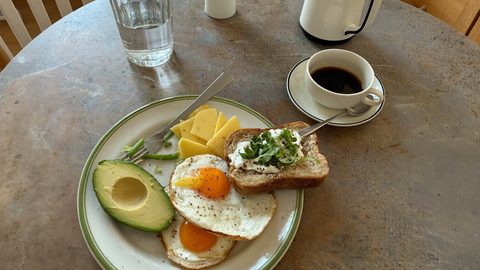
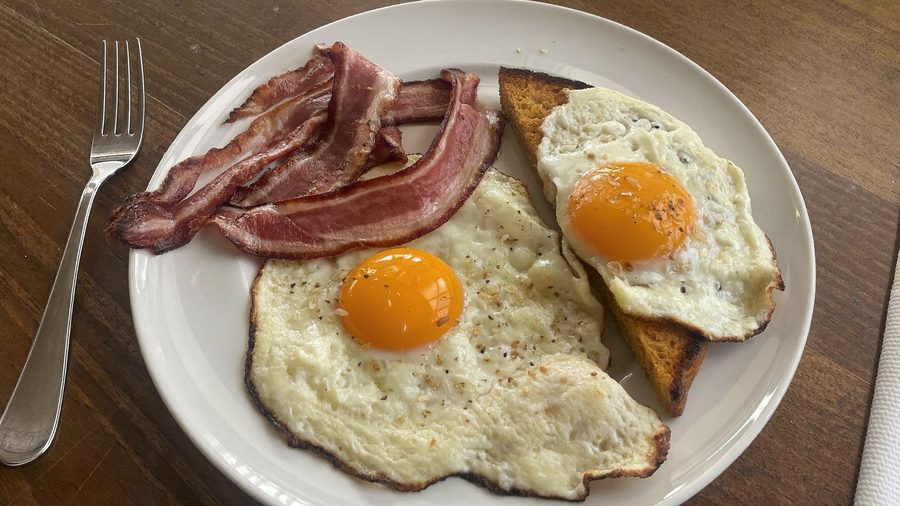
He calls fibre overrated, and says it gets talked about as if your microbiome would rather have fibre than a steak. His list of what actually feeds it is short: eggs, meat, especially steak, and dairy. Those, he says, produce far more butyrate than fibre does.
There is one more he adds, and women over 60 are usually glad to hear it. Coffee. He calls coffee the best fibre in the world and says the gut loves it, that it brings inflammation in the gut down and lets the good bacteria thrive. How much is too much is its own question, and he answers it in can too much coffee and caffeine cause leaky gut.
The order he would fix it in
Dr. Martin on what has to happen after the damage:
Dr. Martin, The Doctor Is In, Episode 1841You got to replenish, renew, regenerate the microbiome.
He says it right after the antibiotics section, and he repeats that you must, you must, you must. That is the first move. Put the bacteria back. Then feed them on eggs, meat and good dairy rather than piling on fibre. Then leave it alone long enough to matter.
Nothing here is a fortnight. The damage he describes builds over decades, and he talks about the repair on a similar clock. If you are 60 or 70 and starting now, think in months.
He also connects the gut to places most people would not: leaky gut and leaky lungs, leaky sinuses, leaky skin, leaky brain. The gut and brain link is the one he says medicine is finally taking seriously, and he thinks it is a big factor in mental health that almost nobody is talking about.
The gut articles to read next
Four more from him, each on a piece of this:
- All disease starts in the gut
- Why do some people bloat and some don't?
- Chronic constipation. What do I do?
- Can too much coffee and caffeine cause leaky gut?
Everything else he has covered is indexed on What Dr. Martin thinks.
Common questions
What is the best thing for gut health after 60?
He starts by replenishing the bacteria, then feeds them with eggs, meat and good dairy rather than loading up on fibre. The order matters to him as much as the list does.
Does gut health get worse with age?
He puts the damage on modern living rather than on the birthday. Antibiotics and vegetable oils are the two he names, and over 60 years of them the damage compounds.
What foods feed good gut bacteria?
He names eggs, meat and good dairy as the foods that lead to butyrate being made, with butter singled out. He says coffee helps the gut too.
Is fibre good for the microbiome?
He calls fibre overrated as a way to feed the microbiome, and disagrees with the common advice that you need it for butyrate.
What does butyrate do?
He says butyrate fuels the gut lining. On the same episode he adds that it helps heal that lining, lowers inflammation in the gut and supports immunity.
Read next: Why Digestion Slows Down After 60 And What To Do and A Swollen Stomach After 60 Is Not Normal Aging.
Start with the gut
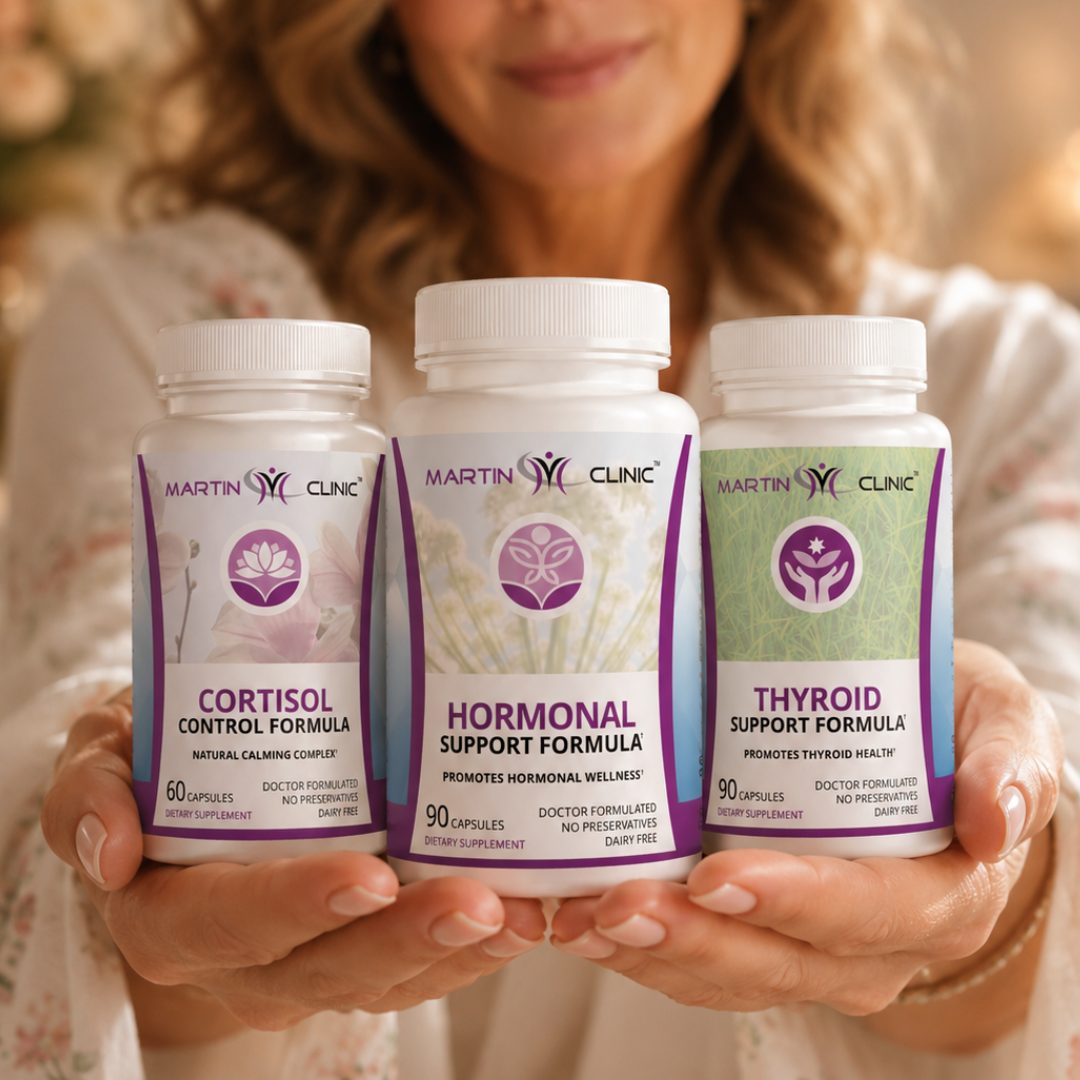
The Fix Your Gut Bundle is the three he reaches for together: Probiotic Complex to replenish, Gut-Ease Formula to settle things down, and Ultra Digest-All for breaking food down at the meal.
60-day money-back guarantee. Not sure where you sit? Start with all disease starts in the gut.These statements have not been evaluated by the Food and Drug Administration. This product is not intended to diagnose, treat, cure, or prevent any disease. Always consult your healthcare practitioner before starting a new supplement, especially if you are pregnant, nursing, taking medication, or have a medical condition.