
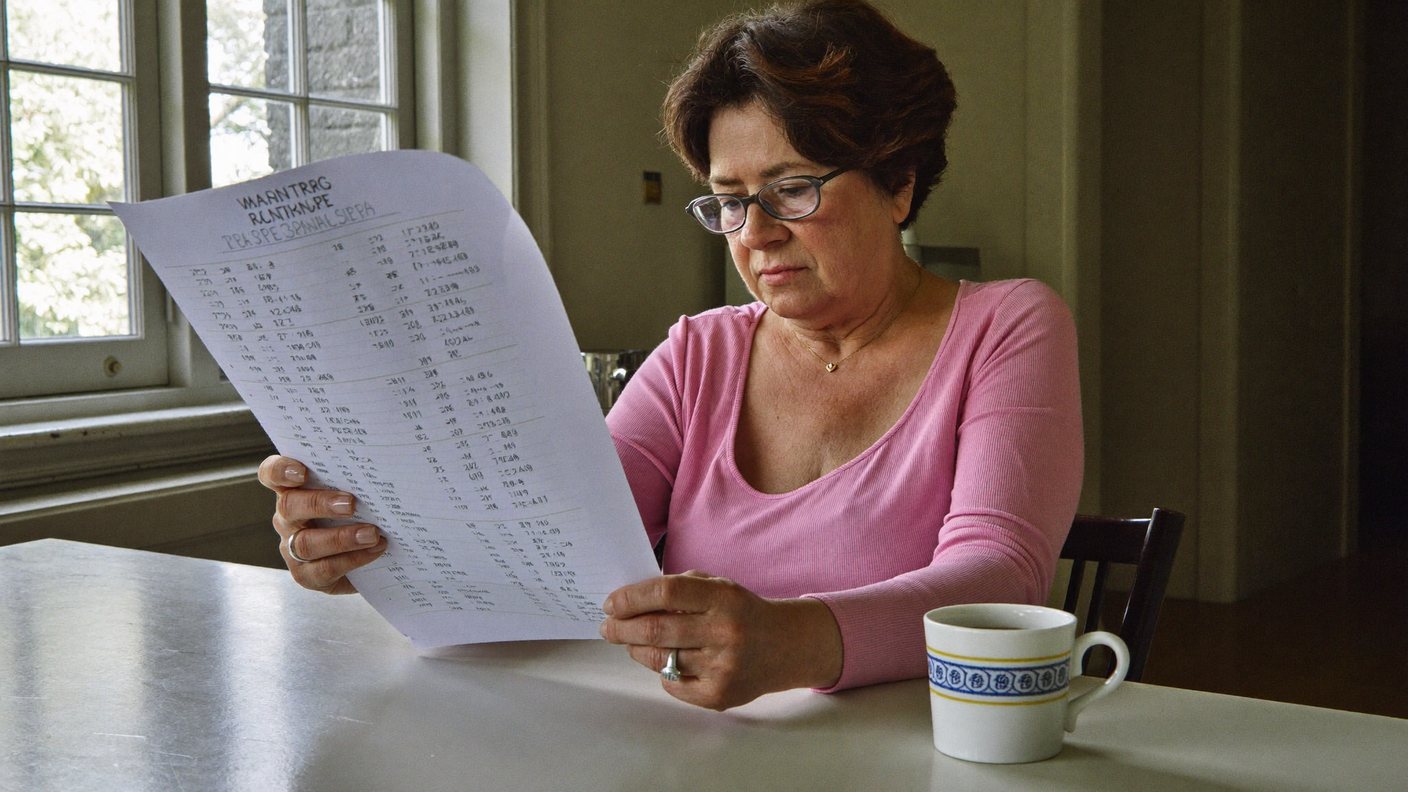
What changes with hypothyroidism after 60
Two things change, and they work against each other. The symptom list gets longer, and the symptoms get easier to explain away as age. Meanwhile the blood test carries more and more of the decision.
Dr. Martin's position is not that the test is wrong. It is that the test on its own is not enough, and after 60 that gap is where a slow thyroid goes to hide.
The thyroid as a puppet
Dr. Martin on how he thinks about it:
Dr. Martin, The Doctor Is In, Episode 790The thyroid, the puppet, because that's really what it is.
It is your gas pedal, he says, a big part of your metabolism, the orchestra leader of your hormones. And it is still a puppet, because it has a lot of strings attached to it.
That is the reason he almost never treats a thyroid in isolation. Something is usually pulling on it. He has a whole episode on that idea: the thyroid never acts on its own.
Why it gets missed
Dr. Martin on misdiagnosis:
Dr. Martin, The Doctor Is In, Episode 790Now remember about the thyroid, often, if there's any organ that gets misdiagnosed, it's the thyroid.
His explanation is the range. The TSH test was developed when he was a young man in school, and it has become the gold standard for checking a thyroid. His complaint is with how wide the normal band is, and with what happens when a doctor lets the lab do the deciding.
He says it carefully, and it is worth repeating carefully. He is not saying skip the blood work.
Dr. Martin, asked directly whether he is against the TSH test:
Dr. Martin, The Doctor Is In, Episode 790No, but you better not just test the thyroid, do a blood test, and not take symptoms, because you could really miss out.
Symptoms have to count
Dr. Martin on reading a patient rather than a report:
Dr. Martin, The Doctor Is In, Episode 790If it walks like a duck and talks like a duck, it's a duck when it comes to the thyroid.
That was how he worked. Tell me your symptoms. He would look at the blood work, he just would not let it overrule what was in front of him.
The list he keeps coming back to is the one most women over 60 recognise straight away: hair thinning, weight going on, tired all the time, eyebrows thinning, poor sleep, feeling cold, and the general sense of not being right. None of those on its own proves anything. Several of them together, with a TSH sitting inside a wide range, is exactly the case he says gets waved through.
The gut connection
Here is the part almost nobody is told, and it explains why he keeps sending thyroid questions back to the gut.
Dr. Martin on where the conversion happens:
Dr. Martin, The Doctor Is In, Episode 790Well, because there's about 20% of your conversion of your thyroid hormones that occur in your gut.
Your thyroid makes T4. T4 has to be converted into T3, which is the form that does the work. He says about a fifth of that conversion happens in the gut, so leaky gut or an overgrowth of candida can mess a thyroid up without the thyroid itself being the problem.
He also points out how little T3 is involved. About a teaspoon in a whole year, on his description. Very finicky, and a lot of things have to go right. The gut side of it is covered in all disease starts in the gut.
What the thyroid needs
He describes the thyroid as a small butterfly-shaped organ with a little opening in it, looking for nutrients.
Iodine is the first one, and he is absolute about it. Your thyroid does not work without iodine, and the most available iodine he names is in eggs, egg yolks in particular. Selenium is the second, and he says you get it from steak. He adds vitamin A and vitamin D to the list.
That is the argument for nutrient-dense food rather than a bigger plate. A thyroid looking for iodine and selenium does not get either one from toast.
Changing fuels
Dr. Martin on the practical conclusion:
Dr. Martin, The Doctor Is In, Episode 790You cannot fix your thyroid without changing fuels.
The fuel he wants down is carbohydrate and sugar. His reasoning is that they burn too quickly for a thyroid, the quick tingling fire rather than the slow steady one, and that what the thyroid actually wants is nutrient-dense food.
He is honest that the thyroid may not even be the main thing that has gone wrong for you. His point is that changing the fuel is the part that has to happen either way, and nothing else you try will hold without it.
Anything a doctor has you on for your thyroid stays exactly as it is unless that doctor says otherwise. Nothing on this page is a reason to change a prescription.
Common questions
What changes with hypothyroidism after 60?
More symptoms pile up and they get easier to blame on age, while the TSH gets read on its own. He says that combination is how a slow thyroid gets missed.
Is the thyroid often misdiagnosed?
He says if there is any organ that gets misdiagnosed, it is the thyroid, and he puts that down to the width of the normal range.
Can gut problems affect the thyroid?
He says about 20 per cent of the conversion of thyroid hormones happens in the gut, so leaky gut or a candida overgrowth can affect it.
What nutrients does the thyroid need?
Iodine first, and he says the thyroid does not work without it. Then selenium, and he adds vitamin A and vitamin D.
Can diet fix a slow thyroid?
He says you cannot fix a thyroid without changing fuels, with carbohydrates and sugar coming down because they burn too fast for it.
Read next: Does A Slow Thyroid Make You Look Older? and Why Thyroid Problems Land On Women And Not Men.
Feed the thyroid
Thyroid Support is the formula Martin Clinic makes around the nutrients he names on this episode, alongside the food change rather than instead of it.
60-day money-back guarantee. Keep your own doctor in the loop, especially if you are already on thyroid medication.These statements have not been evaluated by the Food and Drug Administration. This product is not intended to diagnose, treat, cure, or prevent any disease. Always consult your healthcare practitioner before starting a new supplement, especially if you are pregnant, nursing, taking medication, or have a medical condition.