Is beef good for your brain?
Dr. Martin's answer is a flat yes. On an episode about how the brain burns fuel, he put it in three short lines.
Dr. Martin, The Doctor Is In, Episode 1114Your brain loves steak. Your brain loves cholesterol. Cholesterol is only found in the animal kingdom.
He tells the story of speaking on mental health at a conference, where the room was surprised to hear that red meat could be good for the brain. He was not.
Dr. Martin, The Doctor Is In, Episode 1802Is there anything better than red meat to eat? No. Your brain loves steak, guys.
And he has a standing challenge for anyone who disagrees.
Dr. Martin, The Doctor Is In, Episode 690You find me a better food than a piece of steak for your brain and you bring me that research, and we're not talking about liver.
People who search "red meat intelligence" are usually asking the same thing: does beef help or harm the way you think and remember? He does not talk about IQ scores. He talks about memory, focus and a brain that keeps working as you age, and for all three his answer is meat, eggs and cheese.
What fuel does your brain want?
Your brain uses about a quarter of everything you eat, he says. The question is what you give it. His picture is a sailor surrounded by seawater he cannot drink: a brain fed bread and sugar has plenty of fuel around it and cannot use it well.
Dr. Martin, The Doctor Is In, Episode 1114Your brain thrives because your brain will take that fuel, steak, eggs, meat, cheese. It will take that fuel and burn it as ketones. Your brain loves high octane fuel, not crappy carbs.
A common worry is that the brain needs sugar. He says your body is smart enough to make what it needs: if your brain needs glucose, your body will turn steak into it. You do not need bread to feed your brain.
Why does B12 matter for your brain?
B12 is the nutrient he links to red meat most often, and he sees it as a brain vitamin first. He explains why your memory depends on it.
Dr. Martin, The Doctor Is In, Episode 892Your brain cells communicate with each other. And when you don't have enough B12, they, they ain't talking. They're not communicating properly.
On the same episode he called B12 the neurological vitamin of all the B vitamins. You will not drop dead without it, he said, but you will not be at the top of your game, especially your memory. That is why he tells vegetarians plainly what they are signing up for.
Dr. Martin, The Doctor Is In, Episode 1578And if you insist on being a vegetarian or a vegan, okay, but you understand you need to supplement the rest of your life with B12, your brain ain't going to function properly without B12.
There is a catch for women over 60. Eating steak is not always enough, because B12 is hard to absorb when digestion slows or medications get in the way.
Dr. Martin, The Doctor Is In, Episode 699Because a lot of people, they can't absorb B12 even if they're eating steak.
He says almost every senior who came into his office was low in B12. For the signs, see B12 deficiency symptoms in women over 60.
What else is in steak for your brain?
He lists a handful of nutrients he says you get best, or only, from meat.
Zinc. He would rather you eat it than take it.
Dr. Martin, The Doctor Is In, Episode 1663Meat, have a steak, loaded with zinc. Loaded, bioavailable zinc. That's why I love steak because of what it does for your brain and your immune system.
Creatine. Bodybuilders buy it in tubs. He points to the steak.
Dr. Martin, The Doctor Is In, Episode 1145Rather than take a supplement of it, eat steak, you get creatine, good for the brain and good for muscles, get strong.
Choline. He moved straight from creatine to choline on that same episode.
Dr. Martin, The Doctor Is In, Episode 1145Whenever you think of choline, think of brain. Memory, neurological synapses and neuro regeneration.
He says you get choline from steak and from eggs, and that choline and creatine are not found in the plant kingdom. Fat and cholesterol. Your brain is largely fat, he says, so call him fathead and he takes it as a compliment. For how beef stacks up against the leaner choice, read is chicken healthier than beef.
What about the studies linking red meat to dementia?
You may have seen headlines saying red meat is bad for your brain. He has read that kind of study for years, and he is not persuaded.
Dr. Martin, The Doctor Is In, Episode 1192Like any study on red meat, I hate to tell you this is observational.
His complaint is how the data is gathered. People fill in food surveys about what they ate months ago, and the surveys miss what came with the meat.
Dr. Martin, The Doctor Is In, Episode 1398When you say red meat, do you mean a hamburger? You're eating the bun. That's sugar.
He also points out that such surveys often do not ask about smoking or junk food, so the meat takes the blame. That is his reading, and you can weigh it against the headlines yourself.
What is bad for your brain then?
Sugar and crappy carbs, every time. He calls Alzheimer's diabetes of the brain, the name it was given as type three diabetes, and he ties it to the brain becoming insulin resistant. For his full list, see the brain killers.
His prescription is cut out, add in. On an episode about memory, he told listeners to drop the cereals, noodles, cookies, crackers and bagels, whole wheat or not, and replace them with real brain food: eggs, meat and cheese. If your thinking feels slow, read brain fog in women over 60.
How should you eat it?
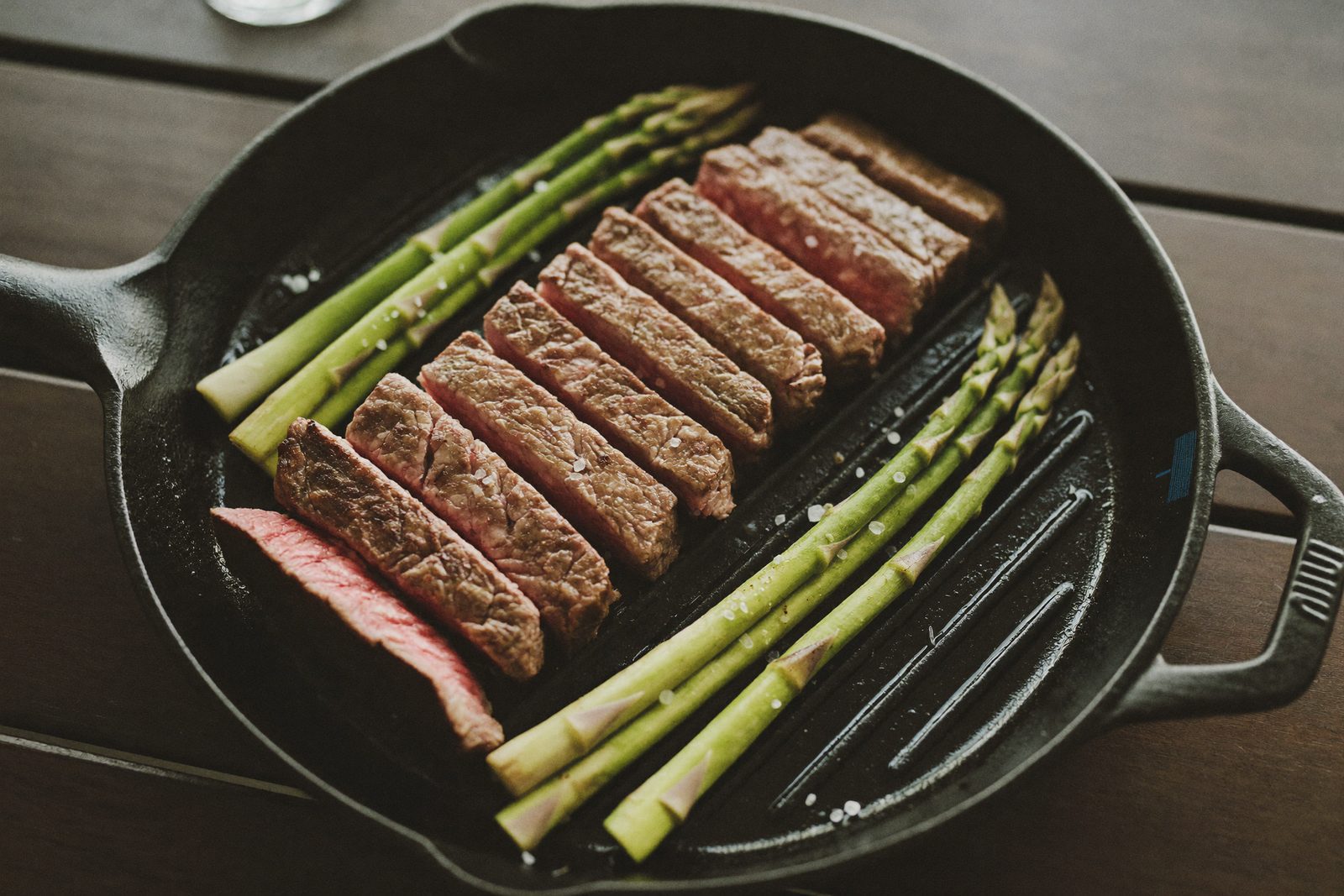
Pick the cut. Steak first, he says. Hamburger, fatty hamburger included, and roast beef are right up there.
Leave the bun. The meat is the brain food. The bun is sugar.
Do not fear the fat. He says your brain thrives on it.
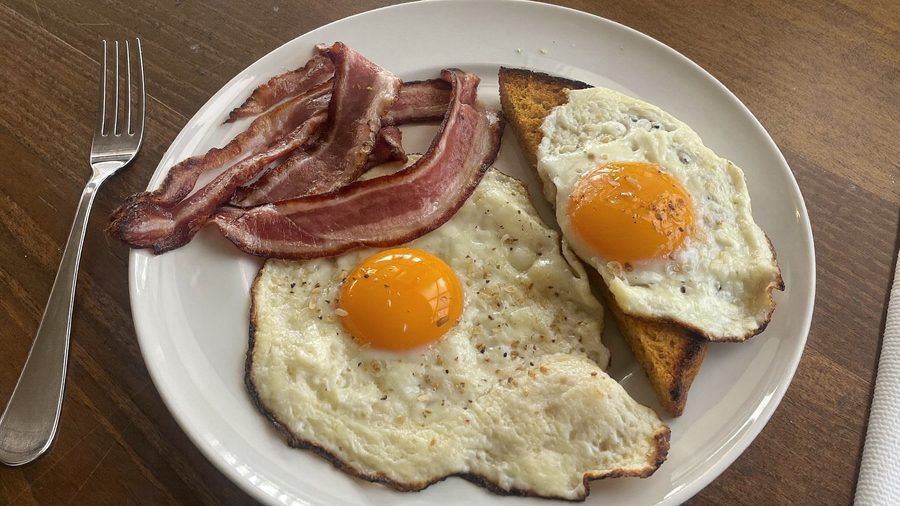
Add eggs and cheese. Eggs bring choline and zinc too.
Cover your B12. Even meat eaters can run low after 60, which is why he takes B12 every day.
If you have a medical condition or take medication, talk to your doctor before a big change in diet.
Common questions
Is beef good for your brain?
Yes, in Dr. Martin's view. He says your brain loves steak, and that red meat brings B12, zinc, choline, creatine and fat your brain needs.
Does red meat make you smarter?
He does not talk about IQ. He says red meat feeds the brain the high octane fuel it wants, while sugar and refined carbs leave it running on the wrong fuel.
Does red meat cause dementia?
He disagrees with the studies behind that claim. He says they are observational food surveys that miss the bun, the junk food and the smoking.
What nutrient in red meat is best for the brain?
B12 is the one he stresses most. He calls it a neurological vitamin and says your brain cells do not communicate properly without it.
Do I need B12 if I eat steak?
Often yes. He says a lot of people cannot absorb B12 even if they eat steak, and almost every senior he saw was low.
Cover the brain vitamin
Vitamin B12 is the one B vitamin Dr. Martin says to supplement, because so many people cannot absorb it even when they eat steak.
60-day money-back guarantee.