What brain fog feels like
Women tell him about brain fog every day, and the worry underneath it is nearly always the same one: am I losing my mind? He opened this episode with a direct answer. Brain fog is so common that he wanted to talk about it as something separate from Alzheimer's, because most of the time it is.
The symptoms he lists are low mood or mild depression, apathy, mental sluggishness, trouble focusing, difficulty remembering and processing, trouble choosing the right word, and poor sleep. That slower processing is what most women mean when they say fog.
None of this is new to him. He wrote a book on chronic fatigue and fibromyalgia back in the late eighties, and brain fog was one of the four main symptoms, alongside pain, disturbed sleep and exhaustion. In his practice it ran about 90 women to 10 men, sometimes 95 to 5. More on that link is in chronic fatigue in women over 60.
Stress, sleep and sitting
Back then they called it the yuppie flu. He says it was never a flu. It was adrenal exhaustion, and the root of it was stress. Stress is not only emotional either. Diet, lack of sleep and the environment all push cortisol up, and high cortisol and poor sleep feed each other in a loop: you do not sleep, so cortisol rises, so you sleep worse.
Add a sedentary life on top of that. Most people now sit for most of the day, and he counts that as a real factor in how the brain works, not a side note.
The cause nobody mentions: water
This is the one he says hardly anybody talks about when it comes to brain fog. The brain does not work properly without water, and dehydration is a big issue, especially for people on medication or eating a poor diet.
Dr. Martin, The Doctor Is In, Episode 987You need two liters of water every day. And for my American friends at 64 ounces of water, that is your minimum. No exceptions in my opinion.
He tested hydration in his office for years and found that amount to be the sweet spot. If you sweat, you need more.
Diet and alcohol
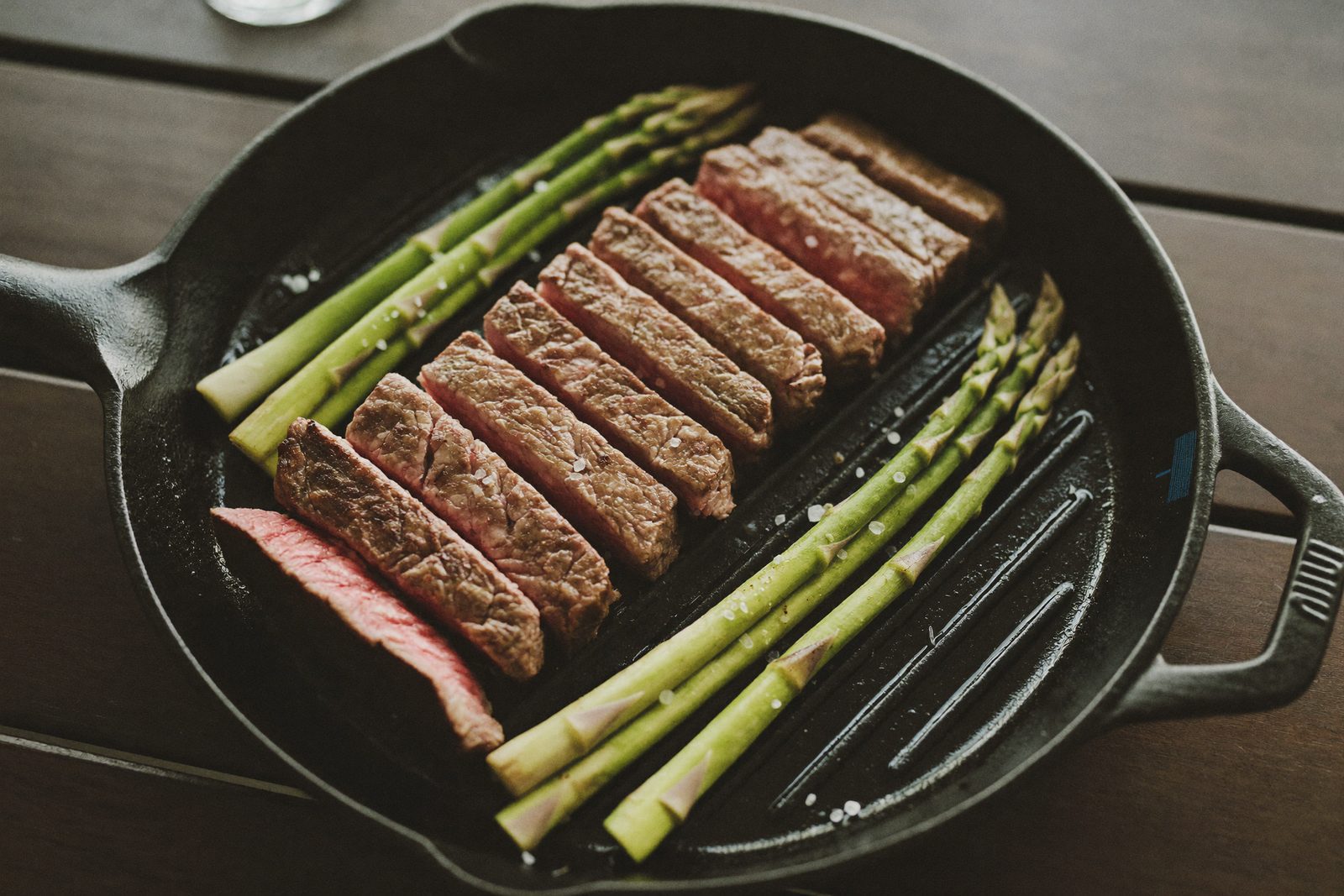
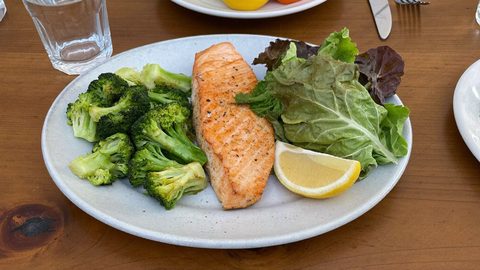
Second on his list is a poor diet, and by that he means two things: too much sugar and too many processed carbohydrates made with bad oils, and too few nutrient dense foods. He rejects the idea that plants out-nourish animal foods.
Dr. Martin, The Doctor Is In, Episode 987Your brain, in order to function properly, needs animal protein, animal fat, it needs animal nutrition.
Then alcohol, which he flags plainly as a brain fog trigger.
Dr. Martin, The Doctor Is In, Episode 987Alcohol creates inflammation in the brain. So be careful with it.
The deficiencies he finds
Because he measured these in his office, this is the part he is most certain about. Number one, almost invariably, was low vitamin D. He calls the brain a solar panel that needs vitamin D to work, and he says the immune system and the brain both depend on it. His full view is in vitamin D for women over 60.
Next was B12. A result your doctor calls normal is not the same as a level your brain needs, in his view. Results in the two, three and four hundreds are, as he puts it, enough for mice. He wants B12 optimized, and he says taking it every day beats a weekly or monthly shot. If you are wondering whether your own level is the issue, see B12 deficiency symptoms in women over 60.
After those two come omega-3, magnesium and vitamin K2, which he says people rarely get unless they eat butter, cheese and steak.
"It needs vitamin D. Vitamin D is essential for the brain."
Dr. Martin, The Doctor Is In, Episode 987Your brain is made of fat
He put the question to his live audience: what kind of fat is your brain made of? They got it right. The answer is DHA, the long chain omega-3 fatty acid. If the brain is built from it, he asks, how can it be bad for you?
He describes an Alzheimer's brain as one that shrinks like a prune, and he wants the opposite. The two things he says shrink the brain are inflammation from the omega-6 seed oils, such as canola, safflower and grapeseed, and insulin resistance. So the fat you take out matters as much as the fat you put in. Good fat in, seed oils and sugar out. His wider case for omega-3 is in omega-3 for women over 60.
The gut brain connection
He calls the gut microbiome one of the big issues of the day. There are more hormones in the gut than in the brain, and the war between good bacteria, bad bacteria and yeast that you cannot see has a major effect on how your brain works.
Dr. Martin, The Doctor Is In, Episode 987And what happens in the gut Ain't Vegas, it don't stay there. Leaky gut, leaky brain, leaky gut, leaky brain.
His proof is a term doctors already use: chemo brain. In his view the fog after chemotherapy comes from the treatment wiping out the friendly bacteria. He says five days of an antibiotic does the same thing, which is why he wants probiotics taken alongside one.
He extends that to medication in general. Blood pressure, anxiety, depression and antacid medications can all disrupt the microbiome, and he singles out cholesterol lowering statins as a big one for brain fog.
Dr. Martin, The Doctor Is In, Episode 987And I'm not telling you not to take your medicine, okay? Please don't misunderstand me.
His point is to know the side effects and look further down the road, not to stop anything on your own.
Hormones and the thyroid
For women, he says, the brain needs a balance between estrogen and progesterone. Cortisol robs progesterone, because the body uses progesterone to make more cortisol. When progesterone drops, estrogen becomes dominant, and he says estrogen dominance slows the thyroid to a crawl. A sluggish thyroid is one of the common causes of brain fog.
What to do about it
He closed the episode with a short plan. Clean up the diet. Look after the microbiome. Make sure you are not short of vitamin D, B12, omega-3 and magnesium. Drink your water. And move, because a sedentary life is part of the problem.
Dr. Martin, The Doctor Is In, Episode 987Walking is good, guys. Weightlifting is better. Get strong, strong muscles. Strong brain.
Common questions
Is brain fog after 60 a sign of Alzheimer's?
Usually not. Dr. Martin made the point of this episode that brain fog is very common and is mostly driven by everyday causes such as stress, poor sleep, dehydration, diet, nutrient deficiencies, the gut and hormones. If you are worried about memory loss, talk to your doctor.
Which vitamin deficiency causes brain fog?
The two he saw most often in his office were vitamin D and B12. After those he lists omega-3, magnesium and vitamin K2.
Can dehydration cause brain fog?
Yes, in his view, and he says it is the cause nobody talks about. His minimum is two liters, or 64 ounces, of water a day, and more if you sweat.
Why does the gut affect the brain?
He calls it the gut brain connection: what happens in the gut does not stay there. A disrupted microbiome, from antibiotics, chemotherapy or other medication, can show up as brain fog.
Feed the fat your brain is made of
Your brain is built from DHA, and he wants it fat with good fat. Martin Clinic's DHA is the omega-3 he puts first for the brain.
60-day money-back guarantee. Formulated in clinic.These statements have not been evaluated by the Food and Drug Administration. This product is not intended to diagnose, treat, cure, or prevent any disease. Always consult your healthcare practitioner before starting a new supplement, especially if you are pregnant, nursing, taking medication, or have a medical condition.