What diverticulitis is
Diverticulosis is small pouches in the wall of the large bowel. Many women over 60 have them and do not know it. Diverticulitis is when a pouch becomes inflamed or infected.
Dr. Martin on the difference:
Dr. Martin, The Doctor Is In, Episode 765Now diverticulosis can get infected and become diverticulitis, which can be very, very dangerous and usually you end up in the hospital.
So if you have sudden, severe pain low on the left side, a fever, or you cannot keep anything down, that is not a moment for a blog post. That is a moment for your doctor or the emergency room. Everything below is about what keeps the pouches quiet.
He describes what the pouches feel like when they are irritated but not infected.
Dr. Martin, The Doctor Is In, Episode 765It is when you start to develop small pouches in the transverse colon, and these little pouches can give you lots of symptoms. Bloating, pain, discomfort. A lot of people mistake food intolerances with diverticulosis.
He places them on the left side of the gut, where the colon turns and heads down toward the rectum. A woman told she has a food intolerance, or handed an IBS label, may in his view be dealing with pouches instead. If bloating is the main thing you notice, he goes further into that in bloating after 60.
Why he sees so much more of it
He has been in practice since the 1970s, and he is clear that this is not a condition he saw much of back then.
Dr. Martin, The Doctor Is In, Episode 765I'm telling you guys in the 1970s, I hardly ever saw diverticulosis.
IBS was always around, he says, but not like today, where he puts it at something like one in three people. His answer to what changed is what the gut has been put through for decades.
At the top of his list of what damages the gut is antibiotics. They wipe out the normal balance of good and bad bacteria, and he says many people with digestive trouble later in life were on antibiotics as children and never connected the two.
The fiber advice he disagrees with
This is the part of his view that runs against what most women have been told. The usual advice for diverticular disease is more fiber. He does not agree, and he says so plainly.
Dr. Martin, The Doctor Is In, Episode 765One of the things that happens in diverticulosis not only oxalates like spinach irritate and start to carve little holes, little pouches in the colon. One of the things that really irritates them is fibers, insisting on eating a lot of fiber.
Where did the idea that we all need lots of fiber come from? He traces it to the cereal companies and their bran campaigns in the 1970s. In his view a bowl of cereal is low in protein, high in carbohydrate, and carries more fiber than a sensitive gut can handle. He saw thousands of patients with a hypersensitive gut who were bloated and in pain much of the time.
He does not want anyone constipated, and says so more than once. His point is that insoluble fiber you do not absorb mostly irritates the bowel on its way through.
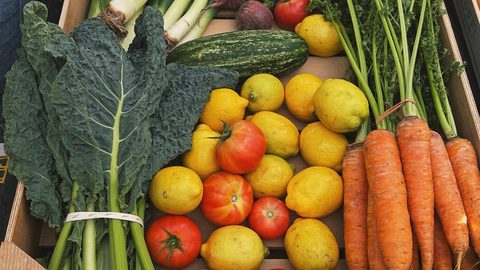
Raw vegetables come under the same heading. He reminds listeners that humans do not make cellulase, the enzyme cows and rabbits use to break down cellulose. That is why he warned patients about loading up on raw vegetables:
Dr. Martin, The Doctor Is In, Episode 765Be careful. You're going to irritate your gut. You are going to start a diverticulosis. You're going to literally start pouches in your bowel.
He also rejects the claim that you need to go to the bathroom several times a day to protect yourself from diverticulosis. He calls that fake news.
"Nothing repairs the gut more than probiotics."
Dr. Martin, The Doctor Is In, Episode 765What else irritates the pouches
His list on this episode is long, and he gives it as a list of things to take out when the gut is already flared, not a list of foods to fear forever. He says directly that he is not telling anyone never to have spinach.
- Oxalates. Spinach, Swiss chard, potatoes, nuts and seeds. He compares spinach in the gut to spinach caught in your teeth.
- Lectins. Nuts and seeds again. He likes them, he says, but they are among the worst things to snack on.
- Too many carbohydrates. Bread, pasta, noodles and cereal make a lot of waste, and a big stool irritates the bowel. When people tell him they are gluten intolerant, his answer is that they are really carbohydrate intolerant.
- Sugar. It feeds yeast in the gut, which he calls feeding the bears.
- Artificial sweeteners. Aspartame, diet soda, and the sugar alcohols that end in "ol" on a label.
- Alcohol. He used to ask women with a nightly glass of wine to take a few nights off.
- Your own intolerances. If eggs or cheese bother you, do not eat them.
He made the same case about irritants and the gut in all disease starts in the gut, and about slowing digestion in why digestion slows down after 60.
Water, not fiber, for regularity
If fiber is not what keeps you regular, what is? He answers that one without hesitation.
Dr. Martin, The Doctor Is In, Episode 765The key to bowel movements is water. It really is. A lot of people don't realize how dehydrated they really are.
Second on his list is a probiotic. He has used probiotics for over 40 years, and he says certain strains of bifidus are among the best things he has found to regulate bowel movements and move the stool along. If constipation is the bigger problem for you, his approach is in chronic constipation, what to do.
How he settled the gut down
He says he got his best results with IBS when he got patients to settle the gut down first. Take out the oxalates and lectins, cut the carbohydrates and sugar, drink water, and give the gut something to rebuild with.
Dr. Martin, The Doctor Is In, Episode 765There's nothing like probiotics, guys, for your gut. Nothing repairs the gut more than probiotics.
After probiotics he names the mucilages, soothing herbs like slippery elm and marshmallow root, and bone broth, which he likes for its L-glutamine. His process, as he sums it up, was diet, certain supplements, lots of water and a lot less fiber. He also put patients on a month-long reset for the gut and says the results were very good.
None of that replaces care for an active infection. Work with your doctor on a flare itself.
Common questions
What is the difference between diverticulosis and diverticulitis?
Diverticulosis is having small pouches in the wall of the colon. Diverticulitis is when those pouches become infected. Dr. Martin calls diverticulitis very dangerous and says it usually ends in a hospital visit.
Should I eat more fiber if I have diverticulosis?
The usual advice is more fiber. Dr. Martin disagrees. He says insisting on a lot of fiber is one of the things that really irritates the pouches, and that water, not fiber, is the key to regular bowel movements.
What foods irritate diverticulosis, in Dr. Martin's view?
Oxalate foods like spinach and Swiss chard, lectins like nuts and seeds, lots of raw vegetables, too many carbohydrates, sugar, artificial sweeteners and alcohol. He takes them out while the gut is flared rather than forever.
Do probiotics help with diverticulosis?
He says nothing repairs the gut more than probiotics, and that certain bifidus strains help regulate bowel movements. Probiotics are first on his list of gut healers.
His first gut healer
Dr. Martin says nothing repairs the gut more than probiotics. Martin Clinic's Probiotic Complex is the one he built, with a high dose of bifidus for keeping things moving.
60-day money-back guarantee.These statements have not been evaluated by the Food and Drug Administration. This product is not intended to diagnose, treat, cure, or prevent any disease. Always consult your healthcare practitioner before starting a new supplement, especially if you are pregnant, nursing, taking medication, or have a medical condition.