How does aspirin thin your blood?
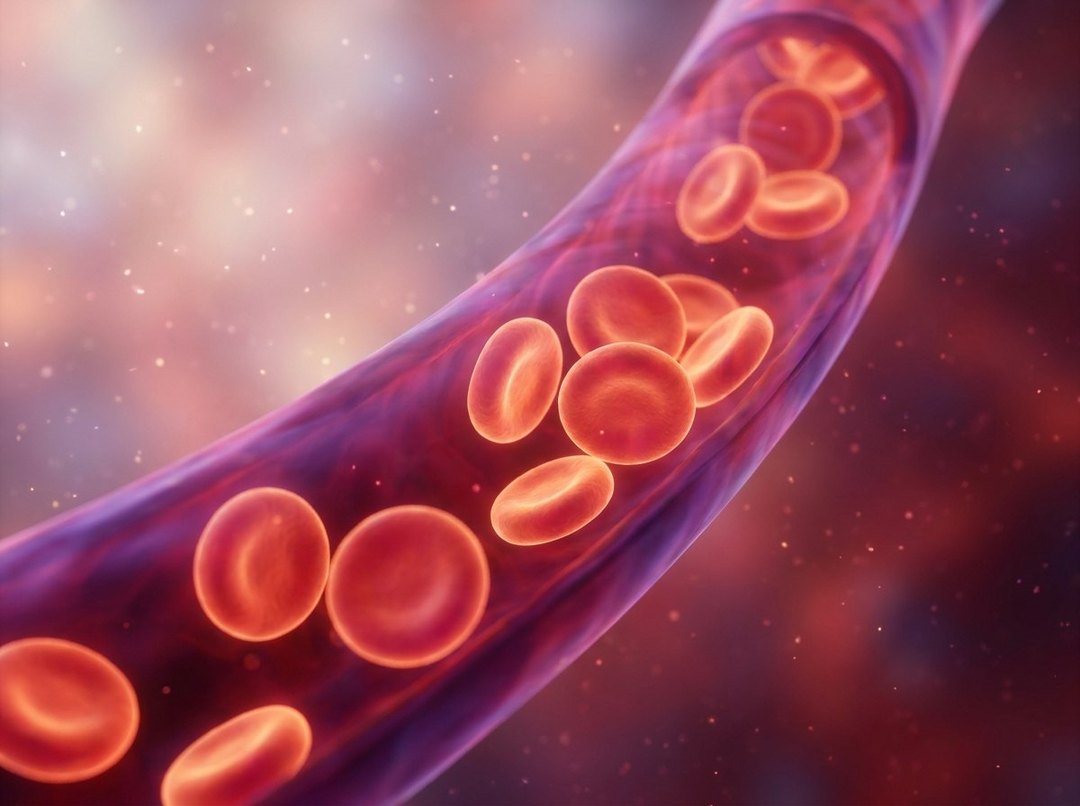
Through your platelets, the tiny cells that rush together to seal a cut. Aspirin makes them less sticky, so a clot is slower to form.
Dr. Martin on what aspirin is for:
Dr. Martin, from The Doctor Is In, episode 978What is it supposed to do? It's supposed to thin your blood. It's supposed to thin out those platelets that clot your blood.
So "blood thinner" is shorthand. Your blood is not watered down. Its platelets are just slower to stick together.
Why does Dr. Martin have a love-hate relationship with aspirin?
The love is for emergencies. The hate is for the daily habit.
From his episode on the news about daily aspirin:
Dr. Martin, from The Doctor Is In, episode 832I have a love, hate relationship with aspirin.
Why he values it in an emergency:
Dr. Martin, from The Doctor Is In, episode 832It's an anti-clotting medication.
An emergency like that is a 911 call. If you think you or someone near you is having a heart attack or a stroke, call 911 right away and follow the operator's instructions.
Is a daily baby aspirin still recommended?
Not for most people who have never had a heart attack or stroke, according to the experts he reports. Your own doctor makes the call for you.
Episode 832 opens with the news that the nation's leading panel of prevention experts had reversed course on daily aspirin for most people.
His summary of their finding on long-term use:
Dr. Martin, from The Doctor Is In, episode 832Long term, not good. The benefits of aspirin are far outweighed by the risk of taking aspirin.
He has passed on the same message from the FDA, and he is clear about whose verdict it is:
Dr. Martin, from The Doctor Is In, episode 644That's the FDA statement. That's not Dr. Martin's statement. I just taught about it.
And where he leaves the decision:
Dr. Martin, from The Doctor Is In, episode 594Now, I'm not telling you not to do it. Between you and your doctor, you decide that.
What are the side effects of a daily aspirin?
Bleeding comes first on his list, because you may not feel it happening.
From a review of the studies he read out on the show:
Dr. Martin, from The Doctor Is In, episode 978One of the biggest ones, and this is a silent one because you don't know it until it's too late. GI, gastrointestinal bleeding. They say it's a lot more common than people think.
Another one he names:
Dr. Martin, from The Doctor Is In, episode 832Secondly, what it does for tinnitus, for example, it's a common cause of tinnitus, ringing in the ears.
If you take aspirin and notice black stools, new ringing in your ears or bruises you cannot explain, tell your doctor.
Can aspirin make you bruise easily?
It can. He puts aspirin and other blood thinners on his list of things that can cause new bruising.
He told a listener with new bruising to get it checked, then named the usual suspects:
Dr. Martin, from The Doctor Is In, episode 668Sometimes medication, even though it didn't bother you before, if you're taking an aspirin or any kind of blood thinner, steroids of any kind, antibiotics, I've seen that happen, can cause bruising.
New, easy bruising is worth a visit to your doctor, whatever you take.
Is aspirin hard on your gut?
He thinks so. Aspirin is a non-steroidal anti-inflammatory, and he counts that group among the hardest medications on your gut.
From his episode on medications and the microbiome:
Dr. Martin, from The Doctor Is In, episode 704Medications, almost all of them, strip away your good guys, like an antibiotic, especially non-steroidal anti-inflammatories. They're very damaging to the lining of your gut.
Naming aspirin in another episode, he said:
Dr. Martin, from The Doctor Is In, episode 642Look, I'm not telling people not to take that. Just understand what I'm saying. What I'm saying is when you take those things, you are much more susceptible to damaging your microbiome.
Your microbiome is the friendly bacteria in your gut. More in how Dr. Martin approaches gut health after 60.
Why did so many people take aspirin every day?
Habit, mostly, and a belief that it was good for them. He watched two generations do it.
On who was taking it:
Dr. Martin, from The Doctor Is In, episode 678My generation and probably more my parents' generation, there was millions and millions of North Americans taking aspirin like a vitamin, meaning they had no history of heart attack or stroke, but they took it as a prevention.
He is blunt that it was never a vitamin. It is a medication, with side effects to match.
What does water have to do with thick blood?
Water is about how thick your blood is. That is a separate question from what aspirin does.
In a heart episode, he spelled out the difference:
Dr. Martin, from The Doctor Is In, episode 979Aspirin's job is to thin out your blood. Decrease the stickiness of the platelets. That's what aspirin does, okay? Water doesn't.
He looked at blood under a microscope for decades. On thick blood, or blood sludge:
Dr. Martin, from The Doctor Is In, episode 624But more than anything, the number one reason that you would have blood sludge is you're dehydrated.
Many women over 60 drink less than they need, and dehydration can creep up without warning. Still, water is not a replacement for aspirin or any blood thinner, and any change to a prescription is a decision for your doctor.
What if you have had a heart attack or stroke?
Then aspirin or another blood thinner may be part of your doctor's plan for you, and Dr. Martin says changing that is not his place.
Asked about blood thinners, he said:
Dr. Martin, from The Doctor Is In, episode 678Look, I never tell people to come off a blood thinner. I won't do it. You got to do that with your physician.
And on a daily aspirin from your doctor:
Dr. Martin, from The Doctor Is In, episode 624If your doctor puts you on an aspirin regimen, well, I'm never going to tell you to come off that regimen. I'm only giving you information so that you can question your doctor because this didn't come from me; this came from the FDA.
He also sends people to their pharmacist, whom he calls the expert on the side effects of medication. What your blood pressure numbers mean belongs in that same conversation with your doctor.
Hear him talk it through
Episode 832 is his reaction to the news on daily aspirin. The aspirin part comes first.
Common questions
Does fish oil thin blood the way aspirin does?
That is a question for your doctor, not this page. If you take aspirin or any blood thinner, ask your doctor before you add fish oil, vitamin K2 or anything else that can affect clotting.
What is a baby aspirin?
It is the small 81 milligram tablet that many people took every day, often with no history of heart attack or stroke. Whether one belongs in your routine is a question for your doctor. Episode 978.
Is aspirin an anti-inflammatory?
Yes. He calls it a non-steroidal anti-inflammatory and stresses that it is a medication, not a vitamin, with a lot of side effects. Episode 832.
Is aspirin made from willow bark?
He says aspirin comes from willow bark and is now made synthetically, like many medicines that began in nature. If you take any blood thinner, check with your doctor before adding any herb. Episodes 594 and 624.
Read next: Should A Woman Over 60 Take A Statin? and What Is The Safest Anti-Inflammatory After 60?
Where his clinic plan begins
Dr. Martin built his practice around food. The Metabolic Reset sets out the eating plan he walked patients through, in a digital book you can open tonight. It sits beside your doctor's advice and changes nothing that was prescribed.
60-day money-back guarantee. Delivered digitally, so there is nothing to wait for in the mail.