Why vitamin D matters after 60
Most women over 60 were taught one thing about vitamin D: it is good for your bones. That is true, and Dr. Martin agrees with it. His complaint is that for decades it was the only thing anyone said about it, and that a whole generation of doctors still asks why you would bother testing your level if your bones look fine.
On this episode he goes further: the immune system, the heart, the brain. He puts it in one picture.
Dr. Martin, The Doctor Is In, Episode 836Every cell in your body has an antenna for vitamin D. It's looking, you're a human solar panel.
And most people are short.
Dr. Martin, The Doctor Is In, Episode 836And 80%, and they don't tell you this, 80% of the population is low in vitamin D.
The level he means is the serum test, written as 25 hydroxy vitamin D on a lab sheet. Many US labs flag under about 30 ng/mL as insufficient. That cut off is the lab's, not his; he wants your level optimized. Older skin is also widely reported to make less vitamin D from the same sun, and many women over 60 spend most of the day indoors.
The first way: the sun
He counts three ways to get vitamin D. The sun is number one, because the body regulates it.
Dr. Martin, The Doctor Is In, Episode 836And when you're in the sun for 20 minutes, no sunscreen, arms and legs especially, vitamin D is synthesized on your skin, 20 minutes, 10,000 IUs. But you'll never overdose.
He does not want anyone to burn. His point is that a short stretch of sun on bare arms and legs does a lot, and once the body is topped up, it stops making more.
Two catches. A sunroom gives you light but not vitamin D, because the skin needs the sun's rays directly. And in a cold winter you get almost none, because you are covered up. Winter sun still helps you make melatonin, he says, but it is not vitamin D. He adds that plenty of people in Florida and Arizona test low because they were taught to fear the sun. If you avoid it, replace it.
"You're a human solar panel, you need vitamin D."
Dr. Martin, The Doctor Is In, Episode 836The second way: food, every day
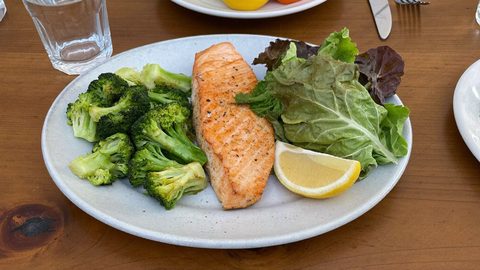
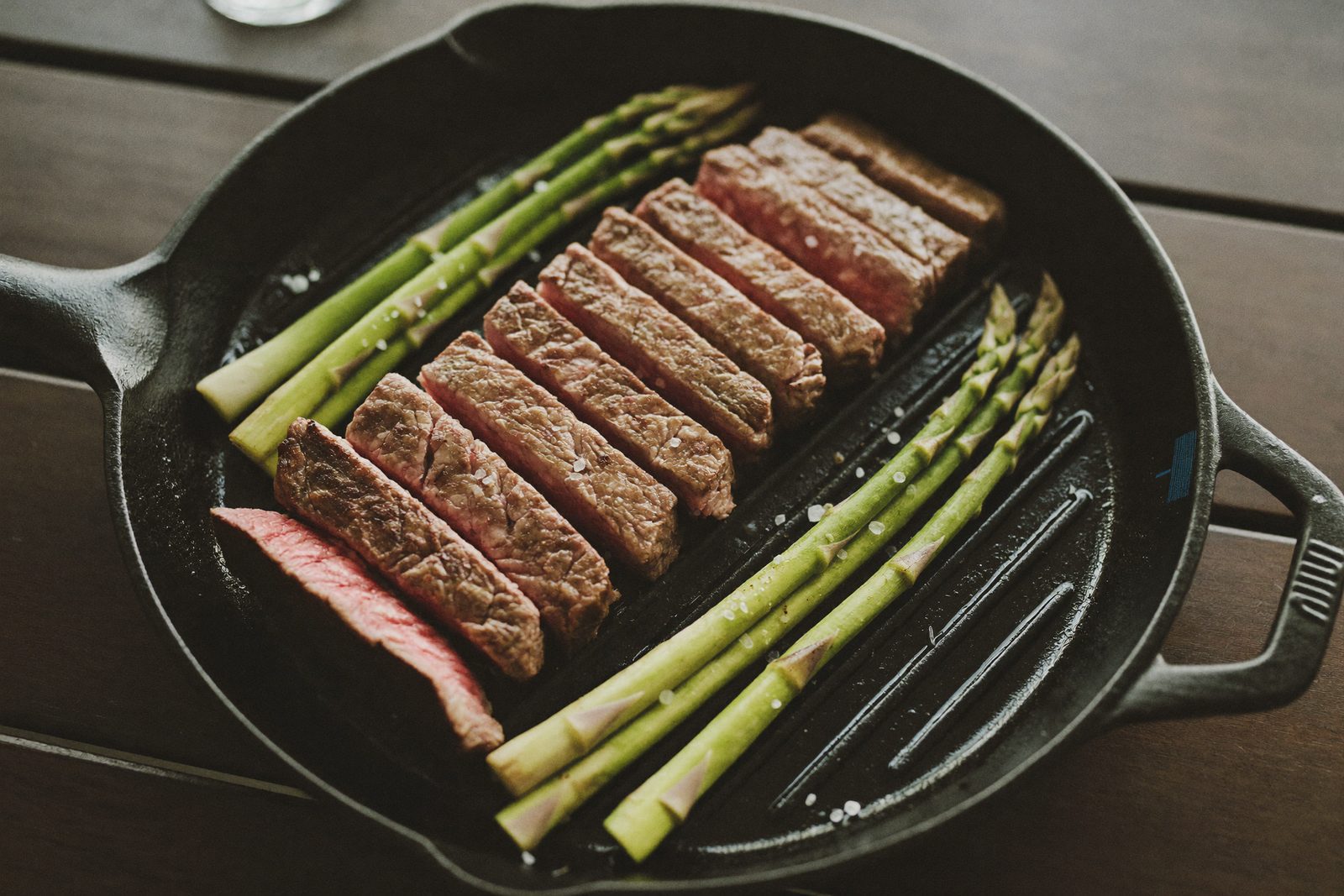
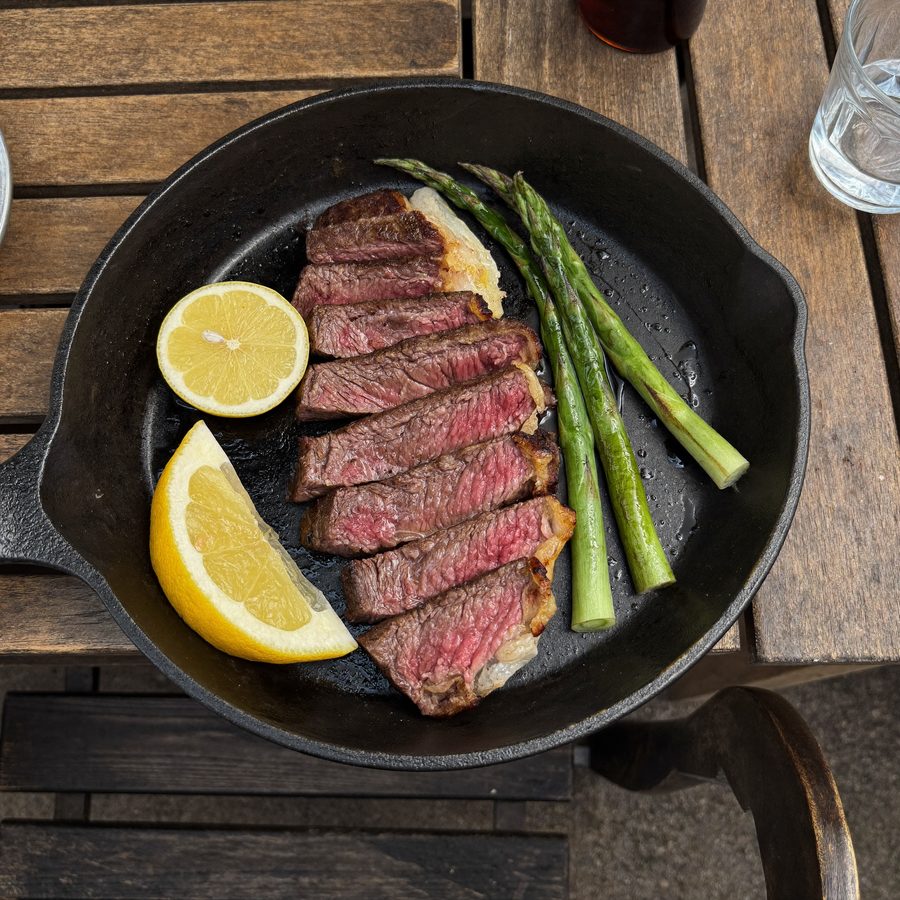
Vitamin D is fat soluble, so it lives in fat: fish, liver, the fat on a steak, bacon, butter. Coconut oil and olive oil do not carry it, and plants do not carry it at all, which is why he says a vegan or vegetarian needs to supplement. The Inuit never lacked it, he says, because they ate fish, liver and blubber every day. That is the catch.
Dr. Martin, The Doctor Is In, Episode 836In order to keep your dihydroxy levels, your serum vitamin D levels up from food, you have to eat that stuff every day.
Seven days a week. Few women over 60 eat liver and fatty fish daily, so food alone rarely carries a long winter.
Is vitamin D safe? What toxicity takes
This episode started with a newspaper story warning of more vitamin D toxicity than ever. He read it to the end. He does not say toxicity is impossible. He says it is uncommon.
Dr. Martin, The Doctor Is In, Episode 836Like I've always said, waiting rooms are not full of people there with vitamin D overdose. It's a rare occurrence, but it can happen.
Halfway down was the detail the headline left out: the people who became toxic were taking 50,000 IU a day. He gives the Vitamin D Council's figure.
Dr. Martin, The Doctor Is In, Episode 836In order to become toxic with vitamin D, you have to take 50,000 International Units a day, every day, seven days a week for six months. Now, who the heck does that? Well, obviously some people do it. They shouldn't do it. I never recommend that.
He does talk about a short, high dose he calls a hammer at the first sign of a cold. Short periods only. Long term, he says, you do not need that much.
How much he takes, and when
He says he is not your physician and cannot tell you what to take. He tells you what he does himself, where winters are long and cold.
Dr. Martin, The Doctor Is In, Episode 836I always say about 15th of September. That used to be my little sweet spot for starting to take a supplement of vitamin D.
In summer he gets enough sun a few days a week. From mid September he supplements for well past six months.
Dr. Martin, The Doctor Is In, Episode 836Here's what I do personally, 8,000 International Units of vitamin D for me. That's sort of the sweet spot of vitamin D. For me. Like I said, I can't tell you what to do.
His son Tony Jr. takes 10,000 IU. Those are personal choices, not a dose for you. The useful step: get your serum level tested and talk with your practitioner about optimizing it, especially if you take medication.
Why the old numbers were so low
If his numbers sound high, he says the official ones started absurdly low. His school textbooks said 200 IU and no more, because vitamin D was only for bones. It crept up to 400, then 1,000, now 2,000.
Dr. Martin, The Doctor Is In, Episode 836400? That's for a mouse, folks.
He calls it bad math, and says he has not seen anything better than vitamin D for chronic disease. If you want more of what he thinks belongs in a woman's daily routine after 60, see what supplements a 65 year old woman should take, and for the circulation side of the sun story, nitric oxide for women over 60.
Common questions
Should a woman over 60 take vitamin D?
Dr. Martin says most people are low in vitamin D and that you need it. The sun is the best source. When you cannot get sun, as in a northern winter or if you stay indoors, he supplements. Get your serum level tested and talk with your practitioner about the right amount for you.
How much vitamin D does Dr. Martin take?
He says he personally takes 8,000 IU a day, starting around September 15 and continuing through the dark months. He is clear that this is what he does, not what he can tell you to do.
Can you get too much vitamin D?
He says it can happen but is rare. The toxicity cases he discusses came from 50,000 IU a day, every day, for six months, which he never recommends. You never overdose from the sun.
Can I get enough vitamin D from food?
Only if you eat fat soluble animal foods such as fish, liver and fatty meat every day. Plants do not carry vitamin D, and most women do not eat those foods daily, which is why he supplements when the sun is gone.
For the months the sun cannot cover
He calls you a human solar panel, and from mid September he supplements. Martin Clinic Liquid Vitamin D + K2 is a tasteless liquid of vitamin D3 with vitamin K2.
60-day money-back guarantee. Formulated in clinic.These statements have not been evaluated by the Food and Drug Administration. This product is not intended to diagnose, treat, cure, or prevent any disease. Always consult your healthcare practitioner before starting a new supplement, especially if you are pregnant, nursing, taking medication, or have a medical condition.