
Does cortisol cause depression?
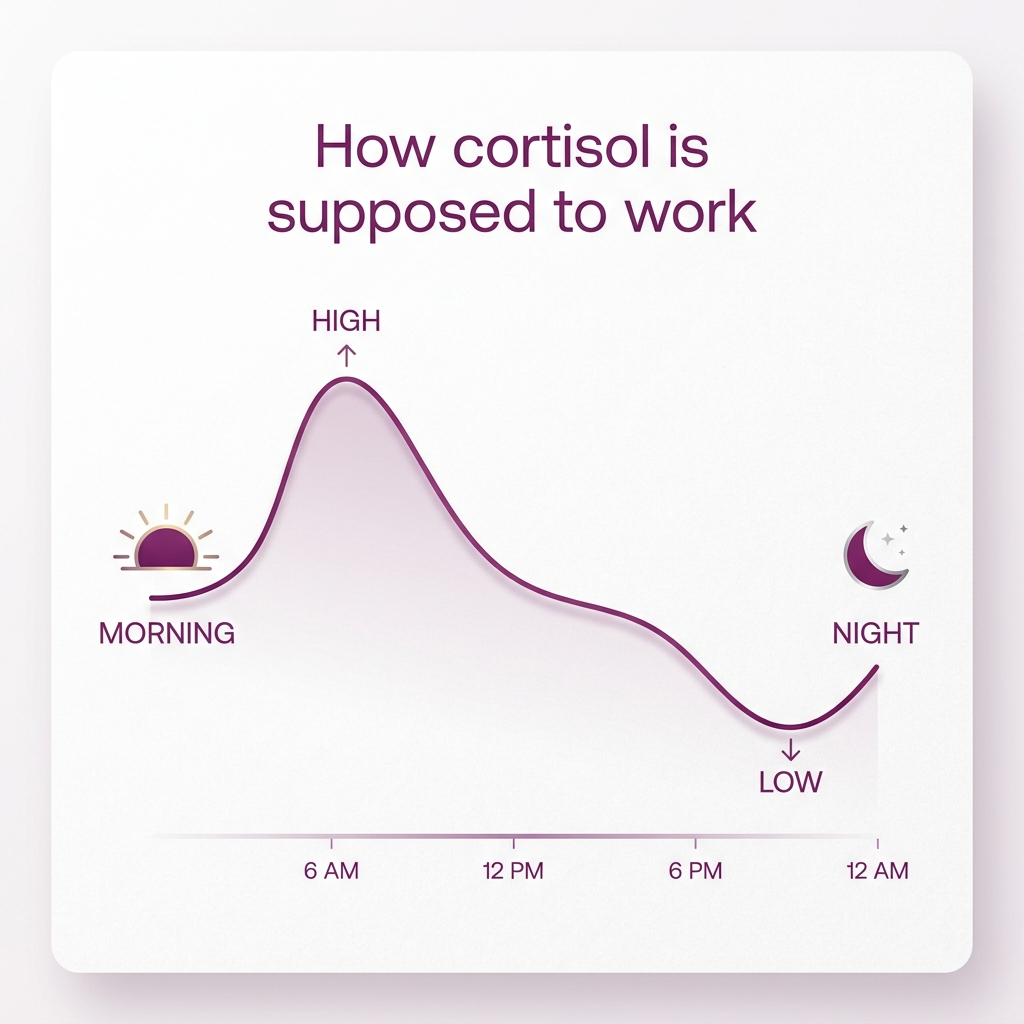
Not on its own, he says, but it is one of the biggest pieces. Cortisol is meant to work part time: high in the morning to get you going, low by night.
On what happens when stress keeps it switched on:
Dr. Martin, from The Doctor Is In, episode 788The problem is if you stay in that state, you know what I'm saying? You're in that state. What happens physiologically? You develop anxiety. You develop depression often. It's not the only cause, but it's a major cause.
As he puts it, quoting Proverbs 12:25, anxiety leads to depression. More on where it starts in what causes high cortisol in women over 60 and anxiety in women over 60.
"Depression, in my opinion, is a perfect storm. And one of the keys to that storm is the secretion of cortisol."
Dr. Martin, from The Doctor Is In, episode 932How are high cortisol and depression linked?
Through sleep and the brain, he says. He points to a 2025 study on how chronic stress leads to depression.
What the study found:
Dr. Martin, from The Doctor Is In, episode 1566They studied depression patients and they found that they had high cortisol. And when their cortisol wasn't following that circadian rhythm like it should, they had less autophagy.
Autophagy is the body's own clean-up. He calls the brain's version a self-cleaning oven, and it runs while you sleep. When cortisol stays high, you do not reach that stage of sleep, and waste is left behind in the brain.
He adds inflammation to the picture:
Dr. Martin, from The Doctor Is In, episode 1566Think of stress, think of cortisol. Stress pours gasoline on the fire of inflammation.
He walks through the study on the episode: YouTube, episode 1566
Does depression increase cortisol?
In his clinic, the two showed up together. He tested cortisol every day, and in depressed patients it was rarely normal.
On what those tests showed:
Dr. Martin, from The Doctor Is In, episode 1037In depression, they were as high as a kite in cortisol. It wasn't normal.
Which comes first, poor sleep or low mood, he calls a chicken-and-egg question. What he is sure of is the loop between cortisol and sleep.
How the loop works:
Dr. Martin, from The Doctor Is In, episode 1566When cortisol is high, guess what? You're not sleeping properly. You don't sleep properly. Your cortisol is high. It's a vicious cycle.
That is why he tells people to make sleep a priority. For his steps, read how to lower cortisol after 60.
What happens to cortisol levels in depression?
They lose their daily rhythm. Healthy cortisol peaks in the morning and falls through the day.
How it should go:
Dr. Martin, from The Doctor Is In, episode 1566As the day goes along, your cortisol sinks, or at least it should, and it sinks like the Titanic.
By bedtime it should be very low. Stress from food, family, relationships and toxins keeps it up.
The result, he says:
Dr. Martin, from The Doctor Is In, episode 1566So what happens is that people are in high level alert of cortisol all the time.
That is the pattern the 2025 study tied to depression. See the full curve in when cortisol is highest.
Can you have high cortisol without feeling stressed?
Yes, he says. Many patients told him they were not stressed at all. Then he asked how they were sleeping.
On stress you cannot feel:
Dr. Martin, from The Doctor Is In, episode 932You might not sense that you're stressed because your body is sort of used to it.
Waking in the night was his clue. A scare or a hard phone call is normal, he says. Your body is not made for stress day after day.
Does high cortisol still matter after menopause?
Yes. He says long-running cortisol hits women hardest, because it throws off their hormones.
What it does to progesterone:
Dr. Martin, from The Doctor Is In, episode 932When cortisol is secreted over a period of time, it needs progesterone to keep going. So you know what it does? It robs progesterone.
Less progesterone leaves too much estrogen, and he links that with weight gain and a slower thyroid. Women past menopause often write to say that cannot happen to them.
His reply:
Dr. Martin, from The Doctor Is In, episode 932I know you're not a teenager anymore, I get that, but you still are a woman. You still make estrogen.
In depression, he says, there is always a perfect storm: cortisol, poor sleep, weight gain and hormones out of balance.
What else is linked to depression besides cortisol?
He never looked at cortisol alone. He tested every patient, and he says over 90 percent of his depressed patients shared the same markers.
On cortisol and inflammation together:
Dr. Martin, from The Doctor Is In, episode 1037Almost invariably cortisol was high, inflammation was high in a depressive patient.
The other markers he found:
- Low vitamin B12
- Low vitamin D
- Leaky gut
- Low magnesium
- High insulin, from a diet heavy in sugar and carbs
Why vitamin D runs low:
Dr. Martin, from The Doctor Is In, episode 1566The problem is when you get depressed, guess what? You don't feel like doing nothing. And you don't want to get in the sun. You don't want to go outside.
Most people are low in vitamin D and do not know it, he says, because the test is rarely ordered. More in vitamin D for women over 60 and gut health for women over 60.
Do antidepressants lower cortisol?
He does not say in these episodes. What he does say is that medication decisions belong with you and your doctor.
On antidepressants:
Dr. Martin, from The Doctor Is In, episode 1566Now do I tell anybody to get off an antidepressant? No. I try and give people information. Even when I was in practice, guys, I gave people information so that they could make choices so they would be armed to talk to their doctors.
Never stop, lower or switch an antidepressant on your own. Take your questions to the doctor who prescribed it.
When should you see a doctor about depression?
If low mood hangs on for more than two weeks, or you have lost interest in things you used to enjoy, see your doctor. Tell them how you are sleeping and what stress you are under.
If you are thinking about harming yourself, call or text 988, the Suicide and Crisis Lifeline. It is free and open day and night. In an emergency, call 911.
Common questions
Can poor sleep raise your cortisol?
Yes, he says. You do not sleep and your cortisol goes up, and high cortisol keeps you awake. If your nights are bad, he suggests a short nap in the day. Episode 788.
Is depression linked to the gut?
He thinks so. He says he cannot think of a depressed patient who did not have leaky gut, and he sums it up as leaky gut, leaky brain. Episodes 1037 and 1566.
Can sunshine help with low mood?
He says getting outside for vitamin D is one of the best things a depressed person can do. Even doctors accept seasonal depression in the dark months, he notes. Episode 1037.
Read next: Cortisol Levels In Women Over 60: Do You Need The Test?
Support for your daily rhythm
Cortisol Control Formula is the daytime formula Dr. Martin built in clinic. It is meant to sit alongside sleep, good food and daylight, not replace them. It is not a medicine for depression and never a reason to change a prescription.
60-day money-back guarantee. Already taking an antidepressant? Ask your doctor before you add anything new.