The short answer
Plenty of women find that the sweet tooth gets louder, not quieter, as the years go on. You finish a perfectly good dinner and within minutes you are looking for something sweet. On this episode Dr. Martin takes that question head on, and he answers it in one line.
Dr. Martin, The Doctor Is In, Episode 1690Why do you crave? Well, what goes up must come down.
He is talking about your blood sugar. The craving is not a lack of willpower and it is not a personality trait. In his view it is the predictable result of the fuel most people run on. He says it is one of the first things they teach people on his 30 day reset, because once you understand what is driving it, you can stop it.
What insulin does with your sugar
He starts with what the average North American eats. He is not talking about fruit and vegetables. He means processed food: breads, noodles, pasta, cereal, too much rice, donuts, muffins and bagels. People live on those, he says.
Every one of those foods breaks down into sugar. He describes a piece of bread as sugar molecules holding hands. And sugar in the blood calls for insulin, which he calls the traffic cop. Insulin floods your blood and tells your cells to open up because sugar is coming. Your body cannot let sugar sit in the bloodstream, so insulin moves it out and parks it in the muscles and the liver.
He uses the muffin as his example. A donut, he says, carries four or five teaspoons of sugar, and a store bought muffin about eight. People tell him the muffin has fiber.
Dr. Martin, The Doctor Is In, Episode 1690It's got a lot of sugar is what it's got. So you need a lot of insulin. You need a lot of insulin.
If your doctor has already used the words insulin resistance with you, this is the same machinery running for years at a time. He covers that in insulin resistance in women over 60.
Why the drop makes you crave
This is the heart of his answer. A big surge of insulin takes the sugar out of your blood fast, and your sugar falls. That fall is what you feel.
Dr. Martin, The Doctor Is In, Episode 1690Sugar comes out of the blood, your sugar went up and now your sugar went down and what goes up must come down. Now you got craving. So even after a meal, I got to have something sweet.
That explains the craving that arrives right after you have eaten, which is the one that puzzles people most. You are not hungry. Your blood sugar is on the way down from a high, and your body wants it back up.
He adds that your body gets used to this. Do it every day, at every meal, and the surge of insulin and the drop that follows become the normal pattern. Your body comes to expect the next hit of sugar.
"Cravings will go away."
Dr. Martin, The Doctor Is In, Episode 1690Change the fuel
His fix is not to resist the craving harder. It is to stop setting it off in the first place. He says low density fuel is one of the things that makes a person crave, and he wants you to change fuels.
Dr. Martin, The Doctor Is In, Episode 1690So go from heavy carbs to heavy fat and protein, the way God designed your body for heavy fat and protein, okay?
He is quick to add that fat does not make you fat. Triglycerides are the fats he worries about, and he says they are made by sugars and processed carbohydrates. Later in the same episode he says it plainly: it is not calories, it is fuel. When your body is burning fat, he says, it is a beautiful thing.
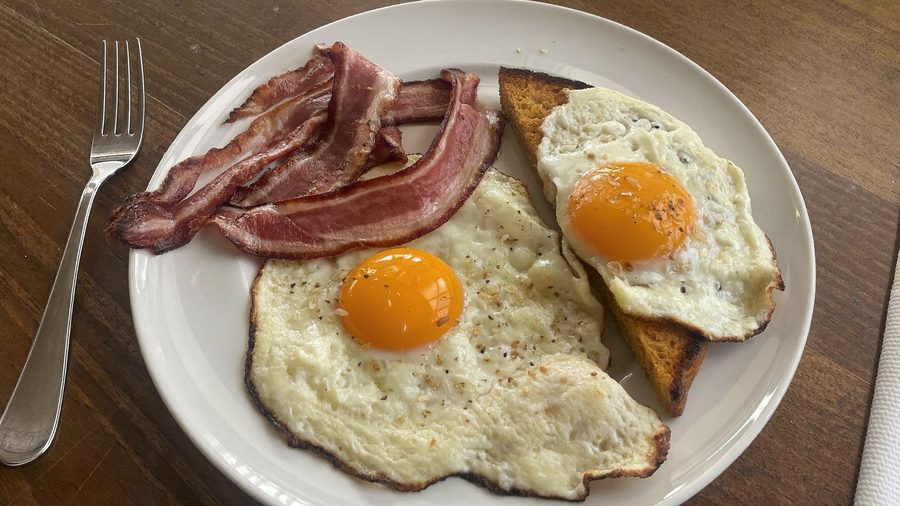
In practice that means his reset: 30 days of eggs, meat and cheese. He is honest about it.
Dr. Martin, The Doctor Is In, Episode 1690I didn't say the reset is easy. It's not easy. It's simple. Eat eggs, meat and cheese.
People ask him what to do with butter if there is no toast. Butter your eggs, he says, and butter your steak. You do not need bread to use butter. If you are watching your numbers as well, his take on normal blood sugar for a woman over 60 sits alongside this one.
The first couple of weeks
Here is the part that catches people out, and he warns about it so you are not surprised. When you first cut the carbs, the cravings can get louder before they get quieter.
Dr. Martin, The Doctor Is In, Episode 1690When you get on the reset, sometimes in the first week and sometimes for a couple of weeks, you get cravings. Well, your body was used to that surge of insulin.
Your body is used to the old pattern, and for a short time it asks for it back. He used to tell patients to bear with the process, that there is a method to it. He says he would take their face in his hands and tell them to trust him.
Dr. Martin, The Doctor Is In, Episode 1690Anyway, trust the process. Cravings will go away.
He closes the section by saying how important he thinks this way of eating is in the world we live in. Carbs down, protein and fat up, eggs, meat and cheese. He says it fixes insulin resistance, which he calls a huge problem today. And the cravings, once the roller coaster stops, stop with it. If your sugar is already creeping up on your blood work, see also prediabetes at 60.
Common questions
Why do I crave sugar after 60, even after a meal?
Dr. Martin says it is your blood sugar coming down. A meal heavy in processed carbs calls for a lot of insulin, insulin pulls the sugar out of your blood, your sugar drops, and you want something sweet.
How do I stop sugar cravings?
His answer is to change fuel. Bring your carbs down and your protein and fat up, with eggs, meat and cheese, so you stop setting off the surge and the drop.
Why are my cravings worse when I first cut carbs?
Your body is used to the surge of insulin and asks for it back. He says this can last the first week or a couple of weeks, and to trust the process because the cravings go away.
Get off the roller coaster
He says sugar cravings are your blood sugar going up and coming down. Martin Clinic's Blood Sugar Support Formula is the one he built for the blood sugar side of the picture.
Shop Blood Sugar Support Formula
60-day money-back guarantee. Formulated in clinic.These statements have not been evaluated by the Food and Drug Administration. This product is not intended to diagnose, treat, cure, or prevent any disease. Always consult your healthcare practitioner before starting a new supplement, especially if you are pregnant, nursing, taking medication, or have a medical condition.